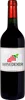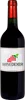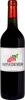
Winery Cascina LorenzoCornelle Rosso
 Red wine



This wine is a blend of 2 varietals which are the Marzemino and the Merlot.
In the mouth this red wine is a powerful.
This wine generally goes well with beef, game (deer, venison) or lamb.
Taste structure of the Cornelle Rosso from the Winery Cascina Lorenzo
Light | Bold | |
Smooth | Tannic | |
Dry | Sweet | |
Soft | Acidic |
In the mouth the Cornelle Rosso of Winery Cascina Lorenzo in the region of Lombardia is a powerful.
Food and wine pairings with Cornelle Rosso
Pairings that work perfectly with Cornelle Rosso



Original food and wine pairings with Cornelle Rosso

The Cornelle Rosso of Winery Cascina Lorenzo matches generally quite well with dishes of beef, pasta or lamb such as recipes of roast beef with garlic, pasta gratin carbonara style or lamb collar with mustard.
Discover the grape variety: Marzemino
A very old variety grown in northern Italy and recently in Sardinia. It can also be found in Greece, New Zealand, etc. In France it is practically unknown. It is most certainly related to Teroldego and Refosco dal Pedunculo Rosso and is said to be the brother of Lagrein, all three Italian varieties. It is also related to completer.
Last vintages of this wine
The best vintages of Cornelle Rosso from Winery Cascina Lorenzo are 0
Informations about the Winery Cascina Lorenzo
The Winery Cascina Lorenzo is one of of the world's greatest estates. It offers 5 wines for sale in the of Lombardia to come and discover on site or to buy online.

The wine region of Lombardia
Lombardy is one of Italy's largest and most populous regions, located in the north-central Part of the country. It's home to a handful of popular and well-known wine styles, including the Bright, cherry-scented Valtellina and the high-quality Sparkling wines Franciacorta and Oltrepo Pavese Metodo Classico. Lombardy is Italy's industrial powerhouse, with the country's second largest city (Milan) as its regional capital. Despite this, the region has vast tracts of unspoiled countryside, home to many small wineries that produce a significant portion of the region's annual wine production of 1.
The word of the wine: Fade
Wine lacking in sapidity, flat, soft and without character.