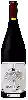
Winery CasadeiCiarì Albana Secco
 wine
wine
This wine generally goes well with
The Ciarì Albana Secco of the Winery Casadei is in the top 0 of wines of Romagna.

Details and technical informations about Winery Casadei's Ciarì Albana Secco.
Discover the grape variety: Dattier de Beyrouth
Table grape with long clusters and elongated golden berries (date-shaped, hence the name), thin skin and crunchy flesh, with a pleasant sweet flavour. Very rarely vinified. Grown in the eastern Mediterranean (Lebanon, Syria, Turkey, Greece), southern Europe and North Africa, prized for its attractive appearance and extended cold-storage life. Historic white table grape variety originating from the Levant (probably Lebanon).
Informations about the Winery Casadei
The Winery Casadei is one of of the world's greatest estates. It offers 4 wines for sale in the of Romagna to come and discover on site or to buy online.

The wine region of Romagna
Eastern part of Emilia-Romagna on the Adriatic. Sangiovese signature in red: Romagnola version more supple and fruity than in Tuscany, with signature notes of red cherry, raspberry, plum, violet, Mediterranean herbs and a spicy touch, fine tannins and gourmand palate — sublimated in DOCG Sangiovese Superiore. Albana as star white (Italy's 1st white DOCG) ample (pear, honey). Straight Trebbiano, floral Pagadebit, sweet Cagnina.
The wine region of Emilia-Romagna
Kingdom of Lambrusco: fresh, fruity sparkling reds (blackberry, cherry, violet), from gourmet dry to convivial off-dry, perfect with local charcuterie. World's best-selling sparkling wine on the Emilia side (Sorbara, Grasparossa, Salamino). East, Romagna: supple fruity Sangiovese, Albana (Italy's 1st white DOCG, 1987) ample and almondy. Also red Gutturnio and white Pignoletto.
The word of the wine: Ovoids (tanks)
Egg-shaped vats used for wine making and maturing that favour the natural suspension of the lees thanks to the vortex movements, which give the wine more fat and fruity aromas.