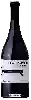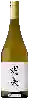
Bodegas Casa PrimiciaGn Garnacha
 Red wine



In the mouth this red wine is a powerful with a lot of tannins present in the mouth.
This wine generally goes well with poultry, beef or game (deer, venison).
Taste structure of the Gn Garnacha from the Bodegas Casa Primicia
Light | Bold | |
Smooth | Tannic | |
Dry | Sweet | |
Soft | Acidic |
In the mouth the Gn Garnacha of Bodegas Casa Primicia in the region of Rioja is a powerful with a lot of tannins present in the mouth.
Wine flavors and olphactive analysis

Food and wine pairings with Gn Garnacha
Pairings that work perfectly with Gn Garnacha



Original food and wine pairings with Gn Garnacha


The Gn Garnacha of Bodegas Casa Primicia matches generally quite well with dishes of beef, pasta or lamb such as recipes of southern beef meatballs, cannelloni with salmon and spinach or marielle's lamb and eggplant parmentier.
Details and technical informations about Bodegas Casa Primicia's Gn Garnacha.
Discover the grape variety: Christmas rose
Obtained in 1980 in the United States (California) by Harold P. Olmo and Albert T. Koyama by crossing S44-35c with 9117D. - Synonymy: no synonyms known to date (all the synonyms of the grape varieties, click here!).
Last vintages of this wine
The best vintages of Gn Garnacha from Bodegas Casa Primicia are 2015, 2014, 0, 2012
Informations about the Bodegas Casa Primicia
The Bodegas Casa Primicia is one of of the world's great estates. It offers 50 wines for sale in the of Rioja to come and discover on site or to buy online.

The wine region of Rioja
Rioja, in northern Spain, is best known for its berry-flavored, barrel-aged red wines made from Tempranillo and Garnacha. It is probably the leading wine region in Spain. It is certainly the most famous, rivaling only Jerez. The Vineyards follow the course of the Ebro for a hundred kilometres between the towns of Haro and Alfaro.
The word of the wine: Table wine
A category of wine with no geographical indication on the label, often resulting from blends between wines from different vineyards in France or the EU. These wines are now called "wines without geographical indication" (and "French wines" if they come from the national territory).