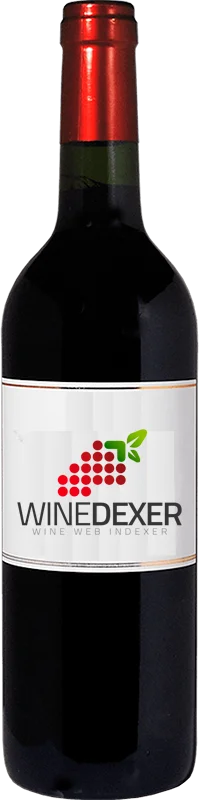
Winery Casa de Vila NovaPinheiro de Vila Nova Red Blend
 Red wine


In the mouth this red wine is a powerful with a lot of tannins present in the mouth.
This wine generally goes well with poultry, beef or game (deer, venison).

Taste structure of the Pinheiro de Vila Nova Red Blend from the Winery Casa de Vila Nova
Light | Bold | |
Smooth | Tannic | |
Dry | Sweet | |
Soft | Acidic |
In the mouth the Pinheiro de Vila Nova Red Blend of Winery Casa de Vila Nova in the region of Minho is a powerful with a lot of tannins present in the mouth.
Food and wine pairings with Pinheiro de Vila Nova Red Blend
Pairings that work perfectly with Pinheiro de Vila Nova Red Blend



Original food and wine pairings with Pinheiro de Vila Nova Red Blend

The Pinheiro de Vila Nova Red Blend of Winery Casa de Vila Nova matches generally quite well with dishes of beef, lamb or game (deer, venison) such as recipes of beef with cider, pastasotto pepper merguez (risotto style pasta) or wild boar stew (without marinade or wine).
Details and technical informations about Winery Casa de Vila Nova's Pinheiro de Vila Nova Red Blend.
Discover the grape variety: Bobal
Intensely coloured, structured reds with an inky robe and tight tannins, featuring aromas of blackberry, black plum, black cherry, spices, liquorice and balsamic notes. High acidity and good ageing potential in old vines. The absolute star of Utiel-Requena DO (Valencia province) where it is experiencing a marked qualitative revival, also made as typey Clarete rosés and modern ageing cuvées. Also in Manchuela DO and Ribera del Júcar DO. Native Levantine grape.
Last vintages of this wine
The best vintages of Pinheiro de Vila Nova Red Blend from Winery Casa de Vila Nova are 2017, 0
Informations about the Winery Casa de Vila Nova
The Winery Casa de Vila Nova is one of of the world's great estates. It offers 30 wines for sale in the of Minho to come and discover on site or to buy online.

The wine region of Minho
Portugal's northernmost region, heart of Atlantic Vinho Verde. Signature lively, lightly sparkling whites with signature notes of citrus, green apple, white flowers, fresh herbs and a saline touch, thirst-quenching, low-alcohol palate — the sunshine wine par excellence. High-end star Alvarinho (peach, exotic fruits, minerality), floral Loureiro (laurel), ample Trajadura, taut Arinto, structured Avesso. Vinhão as lively red.
The word of the wine: Budding
Phase of the vegetative cycle of the vine corresponding to the bursting of the buds and the appearance of the first leaves.