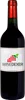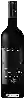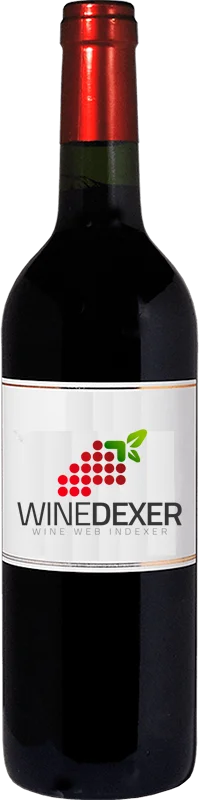
Winery BontempoMeio Doce Tinto
 Red wine


In the mouth this red wine is a powerful with a nice balance between acidity and tannins.
This wine generally goes well with poultry, beef or game (deer, venison).
Taste structure of the Meio Doce Tinto from the Winery Bontempo
Light | Bold | |
Smooth | Tannic | |
Dry | Sweet | |
Soft | Acidic |
In the mouth the Meio Doce Tinto of Winery Bontempo in the region of Minho is a powerful with a nice balance between acidity and tannins.
Food and wine pairings with Meio Doce Tinto
Pairings that work perfectly with Meio Doce Tinto



Original food and wine pairings with Meio Doce Tinto

The Meio Doce Tinto of Winery Bontempo matches generally quite well with dishes of beef, lamb or game (deer, venison) such as recipes of homemade italian lasagna, rack of lamb in a salt crust or candied gizzards.
Details and technical informations about Winery Bontempo's Meio Doce Tinto.
Discover the grape variety: Corinthe
Would find its first origins in the islands of the Greek archipelago. According to a study conducted in collaboration with SupAgro-Montpellier (Hérault), it would be a relative of the pedro ximénes, for more information click here ! It can be found in Greece, Australia, South Africa, the United States (California), ... hardly cultivated in France except among a few amateur gardeners. In Italy, it is vinified to serve as a base for the production of many vermouths.
Last vintages of this wine

The best vintages of Meio Doce Tinto from Winery Bontempo are 2018, 2016, 2010, 0 and 2009.
Informations about the Winery Bontempo
The Winery Bontempo is one of of the world's greatest estates. It offers 6 wines for sale in the of Minho to come and discover on site or to buy online.

The wine region of Minho
Minho is Portugal's Northernmost wine region. It is known for one wine style above all others: crisp, light, white Vinho Verde, whose DOC zone covers the same territory. The Minho name is used for the area's Vinho Regional designation (similar to the French IGP). The latter's looser production laws allow more diversity in the average winery's portfolio, including red and rosé wines.
The word of the wine: Perfume
A pleasant scent most commonly associated with the world of flowers.