The Winery Cappi of Mornington Peninsula of Victoria
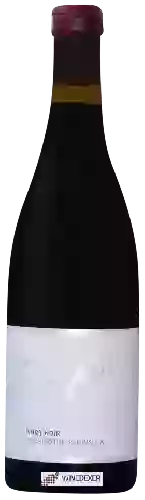
The Winery Cappi is one of the best wineries to follow in Mornington Peninsula.. It offers 3 wines for sale in of Mornington Peninsula to come and discover on site or to buy online.
Looking for the best Winery Cappi wines in Mornington Peninsula among all the wines in the region? Check out our tops of the best red, white or effervescent Winery Cappi wines. Also find some food and wine pairings that may be suitable with the wines from this area. Learn more about the region and the Winery Cappi wines with technical and enological descriptions.
How Winery Cappi wines pair with each other generally quite well with dishes of beef, veal or game (deer, venison) such as recipes of wild boar with honey, tunisian pasta or duck aiguillettes.
In the mouth the red wine of Winery Cappi. is a with a nice freshness.
The wine region of Mornington Peninsula is located in the region of Port Phillip of Victoria of Australia. Wineries and vineyards like the Domaine Moorooduc or the Domaine Hurley produce mainly wines red and white. The most planted grape varieties in the region of Mornington Peninsula are Pinot noir et Chardonnay, they are then used in wines in blends or as a single variety. On the nose of Mornington Peninsula often reveals types of flavors of cream, mint or lime and sometimes also flavors of butter, peach or tropical.
In the mouth of Mornington Peninsula is a powerful with a nice freshness. We currently count 153 estates and châteaux in the of Mornington Peninsula, producing 653 different wines in conventional, organic and biodynamic agriculture. The wines of Mornington Peninsula go well with generally quite well with dishes of beef, veal or game (deer, venison).
Planning a wine route in the of Mornington Peninsula? Here are the wineries to visit and the winemakers to meet during your trip in search of wines similar to Winery Cappi.
This direct-producing hybrid is the result of an interspecific cross between Villard blanc and Muscat de Hambourg, obtained in 1937 by Galibert Alfred and Coulondre Eric. Almost no longer multiplied, it is now clearly on the verge of extinction.

