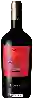
Winery Capoest LuccheseCarménère
 Red wine


In the mouth this red wine is a powerful.
This wine generally goes well with beef, game (deer, venison) or lamb.

Taste structure of the Carménère from the Winery Capoest Lucchese
Light | Bold | |
Smooth | Tannic | |
Dry | Sweet | |
Soft | Acidic |
In the mouth the Carménère of Winery Capoest Lucchese in the region of Veneto is a powerful.
Food and wine pairings with Carménère
Pairings that work perfectly with Carménère



Original food and wine pairings with Carménère

The Carménère of Winery Capoest Lucchese matches generally quite well with dishes of beef, pasta or lamb such as recipes of kig ar farz breton, pasta alla norma or tanjia (lamb shoulder confit).
Details and technical informations about Winery Capoest Lucchese's Carménère.
Discover the grape variety: Carmenère
Velvety, deep reds with a dark robe and round tannins, showing aromas of blackberry, plum, ripe red pepper, dark chocolate, coffee and gentle spice. Warm, supple finish. Absolute star of Chile (Colchagua, Cachapoal, Maipo) where it was rediscovered in 1994, long confused with Merlot. A historic Bordeaux variety that nearly vanished after phylloxera, a cross of Cabernet Franc × Gros Cabernet.
Last vintages of this wine

The best vintages of Carménère from Winery Capoest Lucchese are 2016, 0
Informations about the Winery Capoest Lucchese
The Winery Capoest Lucchese is one of of the world's great estates. It offers 14 wines for sale in the of Veneto to come and discover on site or to buy online.

The wine region of Veneto
World star of Prosecco: fresh, light Glera sparklers with notes of pear, green apple and white flowers, fruity, convivial bubbles. Veronese reds from Corvina and Rondinella: light, crisp Bardolino, fruity Valpolicella, opulent, concentrated Amarone DOCG (black cherry, chocolate, raisin) from dried grapes. Mineral, almondy Soave (Garganega) whites, fresh Pinot Grigio. 97,500 ha, Italy's largest production.
The word of the wine: Eye
In tasting, this is the first phase of the analysis of the wine, which consists of describing its visual aspect (colour, intensity, clarity, brilliance and possible defects).