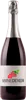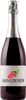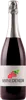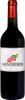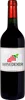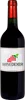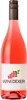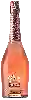
Winery Cantine LebovitzSpumante Extra Dry Rosé
 Sparkling wine



This wine generally goes well with pork, poultry or rich fish (salmon, tuna etc).
The Spumante Extra Dry Rosé of the Winery Cantine Lebovitz is in the top 10 of wines of Lombardia.

Food and wine pairings with Spumante Extra Dry Rosé
Pairings that work perfectly with Spumante Extra Dry Rosé



Original food and wine pairings with Spumante Extra Dry Rosé


The Spumante Extra Dry Rosé of Winery Cantine Lebovitz matches generally quite well with dishes of pork, rich fish (salmon, tuna etc) or mature and hard cheese such as recipes of jambalaya (louisiana), baked salmon with tomato or fusillis natalias.
Details and technical informations about Winery Cantine Lebovitz's Spumante Extra Dry Rosé.
Discover the grape variety: muscat blanc à petits grains
Intensely perfumed aromatic whites with a pale golden robe, showing powerful signature aromas of muscat, rose, white flowers (orange blossom), fresh grape, exotic fruits and honeyed notes. Vinified dry, sweet, liqueur and VDN. The star of Muscat VDNs (Frontignan, Lunel, Rivesaltes, Beaumes-de-Venise), Asti DOCG (Italy) and Samos (Greece). One of the oldest aromatic varieties cultivated in the world, found across the Mediterranean.
Last vintages of this wine
The best vintages of Spumante Extra Dry Rosé from Winery Cantine Lebovitz are 0
Informations about the Winery Cantine Lebovitz
The Winery Cantine Lebovitz is one of of the world's greatest estates. It offers 22 wines for sale in the of Lombardia to come and discover on site or to buy online.

The wine region of Lombardia
Three poles. Franciacorta DOCG, Italy's answer to Champagne: elegant brioche traditional-method sparklers (Chardonnay, Pinot Noir, Pinot Blanc), fine bubble and mineral profile. Alpine Valtellina: Nebbiolo (alias Chiavennasca) with fine tannins and red fruits, powerful Sforzato passito. Oltrepò Pavese: fresh Pinot Noir and fruity-sparkling Bonarda.
The word of the wine: Muscat blanc à petits grains
A white grape variety cultivated since antiquity on the shores of the Mediterranean, it is considered the noblest of the muscats. It is mainly used to make sweet wines, often from mutage. In France, it is the sole variety used in many natural sweet wines: muscat-de-frontignan, muscat-de-mireval, muscat-de-lunel, muscat-de-saint-jean-de-minervois, muscat-de-beaumes-de-venise, muscat-du-cap-corse. Combined with Muscat d'Alexandrie, it gives Muscat-de-Rivesaltes. It is also used to make sparkling white wines (clairette-de-die; moscato d'asti and asti spumante in Italy) and dry wines (alsace-muscat). Powerfully aromatic and complex, its wines evoke fresh grapes, roses, exotic fruits, citrus fruits and spices.