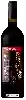
Winery Cantina MontiVite d'Oro Rosso
 Red wine


This wine is a blend of 5 varietals which are the Ancellotta, the Cabernet franc, the Cabernet-Sauvignon, the Carminoir and the Merlot.
This wine generally goes well with pork, poultry or beef.
The Vite d'Oro Rosso of the Winery Cantina Monti is in the top 90 of wines of Ticino.

Food and wine pairings with Vite d'Oro Rosso
Pairings that work perfectly with Vite d'Oro Rosso



Original food and wine pairings with Vite d'Oro Rosso



The Vite d'Oro Rosso of Winery Cantina Monti matches generally quite well with dishes of beef, lamb or pork such as recipes of kig ar farz breton, pizza queen with merguez or roast pork with milk.
Details and technical informations about Winery Cantina Monti's Vite d'Oro Rosso.
Discover the grape variety: Ancellotta
Intensely coloured, supple reds with an inky violet robe, melted tannins and moderate acidity. Aromas of black cherry, blackberry, plum, violet and soft spicy notes. Round palate, best drunk young. The quintessential blending variety, massively blended with Lambrusco to intensify the colour of Emilia-Romagna sparkling wines; also vinified as a single variety in Argentina, Switzerland and Portugal. Native Italian variety from the province of Reggio Emilia.
Last vintages of this wine
The best vintages of Vite d'Oro Rosso from Winery Cantina Monti are 2012, 2011, 0, 2013
Informations about the Winery Cantina Monti
The Winery Cantina Monti is one of of the world's greatest estates. It offers 10 wines for sale in the of Ticino to come and discover on site or to buy online.

The wine region of Ticino
Italian Switzerland, stronghold of Helvetic Merlot (~80% of plantings). Fleshy, refined reds with signature notes of ripe plum, black cherry, dark chocolate, leather and spices, round tannins and a velvety palate — often compared to the best Pomerol. Some cuvées vinified as Bianco di Merlot: original, ample whites (peach, citrus). Also native Bondola and Bordeaux blends.
The word of the wine: Thermoregulation
Control of the vinification temperatures (by circulating hot or cold water on the walls of the vats, for example). This is a major step forward, which in particular helps to preserve the freshness of the aromas threatened by excessive temperature rises during fermentation.