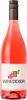
Winery CantanhedePraça Palácio dos Marqueses Blanc de Blancs Espumante Natural
 Sparkling wine



This wine generally goes well with

Details and technical informations about Winery Cantanhede's Praça Palácio dos Marqueses Blanc de Blancs Espumante Natural.
Discover the grape variety: Carminoir
Colourful, structured reds with a deep ruby hue, firm tannins and fresh acidity, with aromas of black fruits (blackcurrant, blackberry), cherry, plum, spices and balsamic notes suggesting a compromise between pinot noir and cabernet sauvignon. Dense, balanced palate. Grown in Swiss Romandy (Valais, Vaud, Geneva) and Ticino for modern varietal or blended wines. Swiss hybrid created in 1982 at Pully by André Jaquinet (pinot noir × cabernet sauvignon).
Last vintages of this wine
The best vintages of Praça Palácio dos Marqueses Blanc de Blancs Espumante Natural from Winery Cantanhede are 2018, 2016, 0
Informations about the Winery Cantanhede
The Winery Cantanhede is one of of the world's great estates. It offers 92 wines for sale in the of Beiras to come and discover on site or to buy online.

The wine region of Beiras
Vast region of north-central Portugal, a fragmented mosaic of distinct sub-regions. In the west, Bairrada makes dense Baga reds with notes of black cherry, blackberry and leather, firm tannins — the base of the great Portuguese sparkling wines. In the centre, Dao produces fine Touriga Nacional reds (violet, raspberry, spice) and elegant Encruzado whites (flowers, citrus, butter). To the continental east, fleshy Touriga of Beira Interior and aromatic Fernao Pires.
The word of the wine: Wooded
A set of aromas brought about by ageing in barrels (usually oak). This can be pleasant when, in small doses, it brings a touch of spice, roast or vanilla to an already constructed ensemble. When the violent woodiness dominates the wine, it is quickly tiring. Easily identifiable aromatically, it is sought after (to the point of abuse) by the makers of coarse wines. New World manufacturers and, alas, some French winemakers use oak chips to impart the woody taste, which is tantamount to artificial flavoring.