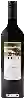
Winery CantalricLes Delices de Corbières
 Red wine



In the mouth this red wine is a powerful with a nice balance between acidity and tannins.
This wine generally goes well with beef, veal or pasta.

Taste structure of the Les Delices de Corbières from the Winery Cantalric
Light | Bold | |
Smooth | Tannic | |
Dry | Sweet | |
Soft | Acidic |
In the mouth the Les Delices de Corbières of Winery Cantalric in the region of Languedoc-Roussillon is a powerful with a nice balance between acidity and tannins.
Food and wine pairings with Les Delices de Corbières
Pairings that work perfectly with Les Delices de Corbières



Original food and wine pairings with Les Delices de Corbières
The Les Delices de Corbières of Winery Cantalric matches generally quite well with dishes of beef, pasta or veal such as recipes of beef with cider, spaghetti with courgettes and italian ham or veal tagine with potatoes and olives.
Details and technical informations about Winery Cantalric's Les Delices de Corbières.
Discover the grape variety: Pinot Noir Précoce
Fine, silky, elegant reds with a clear ruby colour, soft tannins and an airy palate with fresh acidity, signature aromas of red fruits (cherry, raspberry, wild strawberry), undergrowth and fine spices. Earlier ripening than classic Pinot Noir. Grown mainly in Germany (Franconia, Württemberg, Ahr) as Frühburgunder and in tiny quantities in France. Early-ripening mutation of Pinot Noir, also called Frühburgunder in Germany.
Informations about the Winery Cantalric
The Winery Cantalric is one of of the world's greatest estates. It offers 46 wines for sale in the of Corbières to come and discover on site or to buy online.

The wine region of Corbières
Largest AOC in Languedoc, 95% Mediterranean reds. Signature old-vine Carignan (up to 60%): fleshy reds with black fruit, garrigue, black olive, spice and tight tannins. Blended with round, sunny Grenache, peppery Syrah, dense Mourvèdre and supple Cinsault. A few fresh rosés and whites (Grenache Blanc, Roussanne).
The wine region of Languedoc-Roussillon
Largest single French vineyard, dominated by sunny, generous reds. Spicy Syrah, candied Grenache (ripe fruit, garrigue), structured Carignan, deep Mourvèdre, supple Cinsault. Stars: structured Corbières, Minervois, Faugères, Saint-Chinian; round Côtes-du-Roussillon. Legendary vins doux naturels: Banyuls and Maury (fortified Grenache) with notes of cocoa, fig, prune.
The word of the wine: Shipping (liquor)
In champagne and wines made according to the traditional method, wine is added before corking to fill the void in the bottle created by disgorging. This added wine is often sweetened by sugar incorporated in variable proportions according to the style of wine sought (see dosage). Syn.: liqueur de dosage.