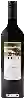
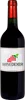
Winery CantalricChâteau de Douzens les Terroirs Corbières
 Red wine
This wine generally goes well with beef, veal or pasta.

Food and wine pairings with Château de Douzens les Terroirs Corbières
Pairings that work perfectly with Château de Douzens les Terroirs Corbières



Original food and wine pairings with Château de Douzens les Terroirs Corbières
The Château de Douzens les Terroirs Corbières of Winery Cantalric matches generally quite well with dishes of beef, pasta or veal such as recipes of tournedos rossini, salmon and spinach lasagna or stuffed quails.
Details and technical informations about Winery Cantalric's Château de Douzens les Terroirs Corbières.
Discover the grape variety: Lambrusco grasparossa
Intensely coloured sparkling reds with a deep purple hue and violet foam, more structured tannins than other Lambruschi, and a lively palate, with aromas of red fruits (cherry, strawberry), violet and floral notes. Also made dry, off-dry or sweet. Star of the Lambrusco Grasparossa di Castelvetro DOC in Emilia-Romagna, ideal with Modenese charcuterie. Lambrusco variety grown near Modena.
Informations about the Winery Cantalric
The Winery Cantalric is one of of the world's great estates. It offers 46 wines for sale in the of Corbières to come and discover on site or to buy online.

The wine region of Corbières
Largest AOC in Languedoc, 95% Mediterranean reds. Signature old-vine Carignan (up to 60%): fleshy reds with black fruit, garrigue, black olive, spice and tight tannins. Blended with round, sunny Grenache, peppery Syrah, dense Mourvèdre and supple Cinsault. A few fresh rosés and whites (Grenache Blanc, Roussanne).
The wine region of Languedoc-Roussillon
Largest single French vineyard, dominated by sunny, generous reds. Spicy Syrah, candied Grenache (ripe fruit, garrigue), structured Carignan, deep Mourvèdre, supple Cinsault. Stars: structured Corbières, Minervois, Faugères, Saint-Chinian; round Côtes-du-Roussillon. Legendary vins doux naturels: Banyuls and Maury (fortified Grenache) with notes of cocoa, fig, prune.
The word of the wine: Carbonic maceration
Fermentation of whole grapes in a carbon dioxide-saturated atmosphere. This type of fermentation produces very aromatic and flattering wines.