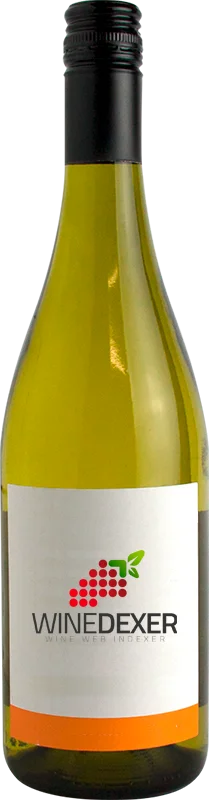
Winery Can RodaSauló Criança Pansa Blanca
 White wine



This wine generally goes well with
The Sauló Criança Pansa Blanca of the Winery Can Roda is in the top 30 of wines of Alella.

Details and technical informations about Winery Can Roda's Sauló Criança Pansa Blanca.
Discover the grape variety: Avesso
Structured, full-bodied whites with a pale golden hue, ample mouth and moderate acidity, showing aromas of white-fleshed fruits (pear, apple), ripe citrus (orange, mandarin) and mineral notes. More powerful than the average Vinho Verde, with fine ageing potential. Star of the Baião sub-region of Vinho Verde DOC, a perfect match for grilled fish and seafood. Native Portuguese white grape of Vinho Verde.
Last vintages of this wine
The best vintages of Sauló Criança Pansa Blanca from Winery Can Roda are 2017, 2015, 0, 2016
Informations about the Winery Can Roda
The Winery Can Roda is one of of the world's greatest estates. It offers 11 wines for sale in the of Alella to come and discover on site or to buy online.

The wine region of Alella
Smallest DO in Catalonia (~300 ha) on the coast north of Barcelona, schist soils with strong drainage, mild Mediterranean climate. Signature Pansa Blanca as white king (local synonym of Xarel-lo, base of Cava): fresh and floral with green apple, pear, fresh almond, white flowers and a schist mineral touch, balanced acidity. Aromatic Garnatxa Blanca as complement. Light supple Garnatxa Negra in red.
The wine region of Catalogne
Cradle of Cava (~95% of Spanish output, traditional method): Macabeo, Xarel-lo, Parellada trilogy, fine fruity bubble. Quality peak in Priorat DOCa: dense, mineral reds on llicorella (schist), old-vine Garnacha and Cariñena with black fruit, garrigue notes, firm tannins. Also Penedès, fleshy Montsant, sunny Empordà, Costers del Segre. Mediterranean.
The word of the wine: Fumet
Older synonym for bouquet.