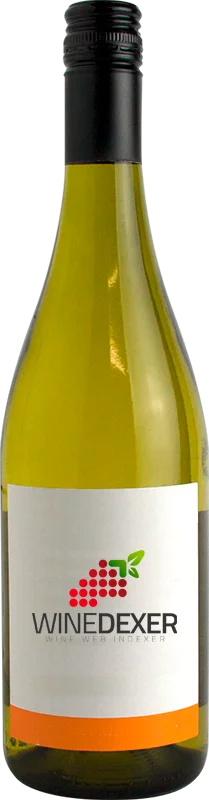
Winery BTLLanzarote Seco Malvasia
 White wine


This wine generally goes well with
Details and technical informations about Winery BTL's Lanzarote Seco Malvasia.
Discover the grape variety: Servanin
Servanin is native to the south of Savoie and the north of Isère. Its berries are short, oval and small to medium-sized. The bunches are full, cylindrical and small, some of them winged, and the bluish-black colour at the beginning turns to dark black when the grapes reach full maturity. Then, as time goes by, small green berries are gradually added to the vine. This curtain is completed by the light green of the medium-sized leaves.servanin is fertile and robust. Its only weak points are millerandage, citadels and mildew. It is less susceptible to grey rot. Although it buds early, it ripens rather late, in the second half of the year. This liqueur, which belongs to the Vin-de-Savoie, has a medium alcoholic and somewhat acidic taste. This wine is also called martelet, servagnin or serene. Unfortunately, it is noted that this variety has nowadays practically disappeared.
Last vintages of this wine
The best vintages of Lanzarote Seco Malvasia from Winery BTL are 0, 2018
Informations about the Winery BTL
The Winery BTL is one of of the world's greatest estates. It offers 1 wines for sale in the of Iles Canaries to come and discover on site or to buy online.

The wine region of Iles Canaries
The archipelago of the Canary Islands (or Las Canarias) is an autonomous community of Spain located in the North Atlantic Ocean, 110 km from the west coast of Morocco. The wine trade there is far from famous - few local wines come out of the Canary Islands - but there is a Long and unique wine tradition in the region. The spectacularly high Canary Islands are located at a latitude of about 28°N, making it the most tropical wine region in Europe. It was thanks to this position, once traversed by naval trade routes, that the local wine industry flourished, shortly after the islands came under Spanish control in the early 15th century.
The word of the wine: Extraction
All the methods (pumping over, punching down) that allow the colour and tannins to be extracted from the grape skin during maceration, before fermentation begins. It is also possible to macerate after fermentation, but gently, so as not to extract the tannins from the seeds, which are greener. Because of its solvent power, alcohol favours extraction.