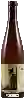
Winery BrugelGreuther Bastel Silvaner Trocken
 White wine



In the mouth this white wine is a with a nice freshness.
This wine generally goes well with pork, vegetarian or poultry.
Taste structure of the Greuther Bastel Silvaner Trocken from the Winery Brugel
Light | Bold | |
Dry | Sweet | |
Soft | Acidic |
In the mouth the Greuther Bastel Silvaner Trocken of Winery Brugel in the region of Franken is a with a nice freshness.
Food and wine pairings with Greuther Bastel Silvaner Trocken
Pairings that work perfectly with Greuther Bastel Silvaner Trocken



Original food and wine pairings with Greuther Bastel Silvaner Trocken


The Greuther Bastel Silvaner Trocken of Winery Brugel matches generally quite well with dishes of veal, pork or vegetarian such as recipes of stuffed quails, green lentils strasbourg style or tuna, pepper and tomato quiche.
Details and technical informations about Winery Brugel's Greuther Bastel Silvaner Trocken.
Discover the grape variety: Blanc Auba
This variety was once found in the Gironde and Lot et Garonne. Its similarity to Ugni Blanc caused its disappearance, the latter being more productive. In the Entre deux Mers vineyards, it was common to find Ugni Blanc under the name Blanc Auba.
Last vintages of this wine
The best vintages of Greuther Bastel Silvaner Trocken from Winery Brugel are 2013, 2012, 0
Informations about the Winery Brugel
The Winery Brugel is one of of the world's greatest estates. It offers 25 wines for sale in the of Franken to come and discover on site or to buy online.

The wine region of Franken
Franken, or Franconia in English, is a wine-growing region in the northwest of Germany's historic state of Bavaria. Though Bavaria may be more famous for its beer, Franken boasts a proud viticultural tradition and is one of the most unique regions in the country. There are just over 6,100 hectares (15,073 ac) of vines Planted in Franken and around 80 percent of these are white Grape varieties. Here, Riesling plays second fiddle to the often overlooked Silvaner and Müller-Thurgau.
The word of the wine: Herbaceous
Vegetable odour reminiscent of freshly cut grass and considered a defect of the wine.