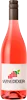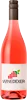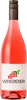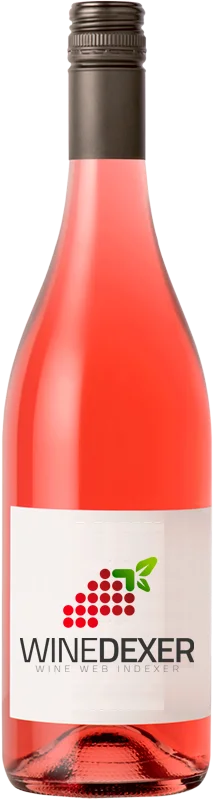
Winery Bou-ArgoubGris de Bouargoub Rosé
 Pink wine


This wine generally goes well with rich fish (salmon, tuna etc), shellfish or mature and hard cheese.
The Gris de Bouargoub Rosé of the Winery Bou-Argoub is in the top 80 of wines of Tunisia.

Food and wine pairings with Gris de Bouargoub Rosé
Pairings that work perfectly with Gris de Bouargoub Rosé



Original food and wine pairings with Gris de Bouargoub Rosé
The Gris de Bouargoub Rosé of Winery Bou-Argoub matches generally quite well with dishes of rich fish (salmon, tuna etc), shellfish or mature and hard cheese such as recipes of salmon steak on a bed of leeks, blanquette of the sea or cucumber skin julienne.
Details and technical informations about Winery Bou-Argoub's Gris de Bouargoub Rosé.
Discover the grape variety: Pinot gris
Rich, ample whites with a golden robe, showing aromas of pear, quince, honey, smoke, ginger and spice. Made as structured dry wines (Alsace AOC), off-dry and sumptuous late-harvest sweet (vendange tardive, sélection de grains nobles). Lighter and crisper in Italy as Pinot Grigio (Veneto, Friuli). Also in Germany (Grauburgunder), Hungary (Szürkebarát) and Oregon. A grey mutation of Pinot Noir.
Last vintages of this wine
The best vintages of Gris de Bouargoub Rosé from Winery Bou-Argoub are 0
Informations about the Winery Bou-Argoub
The Winery Bou-Argoub is one of of the world's great estates. It offers 20 wines for sale in the of Tunisia to come and discover on site or to buy online.

The wine region of Tunisia
Ancient Mediterranean vineyard (Phoenician and Carthaginian heritage), 80% of the vineyard on Cap Bon, hot Mediterranean climate. Carignan, Cinsault, Grenache, Syrah, and Mourvèdre are the signature reds: fleshy with notes of red and black fruits, garrigue, spices, and a balsamic touch, ripe tannins — powerful southern blends. Iconic grey rosés of Cinsault and Grenache: fresh with notes of red fruits and citrus. Muscat of Alexandria in whites.
The word of the wine: Serious
A Bordeaux term for small pebbles from the Pyrenees, eroded, rounded and transported by the Garonne to Aquitaine. They are mainly found on the left bank in the area.... known as the Graves, and further downstream in the Médoc. By extension, gravel is found in other regions, brought by other rivers or even glaciers.