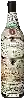
Winery BotterCuvée 17 Limited Edition
 Red wine
This wine generally goes well with vegetarian, beef or rich fish (salmon, tuna etc).

Wine flavors and olphactive analysis

Food and wine pairings with Cuvée 17 Limited Edition
Pairings that work perfectly with Cuvée 17 Limited Edition



Original food and wine pairings with Cuvée 17 Limited Edition

The Cuvée 17 Limited Edition of Winery Botter matches generally quite well with dishes of beef, lamb or rich fish (salmon, tuna etc) such as recipes of tibs (ethiopia), leg of lamb brissac (leftover leg of lamb) or salmon carpaccio with pink berries and shallots.
Details and technical informations about Winery Botter's Cuvée 17 Limited Edition.
Discover the grape variety: Primitivo
Powerful, sun-drenched reds with a dark robe and generous alcohol, showing aromas of stewed blackberry, stewed plum, dried fig, chocolate, gentle spice and balsamic notes. Supple tannins, indulgent finish. Star of Puglia with Primitivo di Manduria DOC, Gioia del Colle DOC and Salice Salentino. Identical to American Zinfandel and Croatian Crljenak Kaštelanski by DNA analysis.
Informations about the Winery Botter
The Winery Botter is one of wineries to follow in Vino da Tavola.. It offers 107 wines for sale in the of Vino da Tavola to come and discover on site or to buy online.

The wine region of Vino da Tavola
The freest category of Italian wine, with no grape or zone constraint. All styles: bold reds based on Bordeaux grapes (Cabernet, Merlot), atypical blends, maker's cuvées outside DOC rules. Historic cradle of the "Super Tuscans" in the 1960s-80s (Sassicaia, Tignanello, Ornellaia) before the creation of IGT in 1992. Today dedicated to everyday wines or winemaker experiments.
The word of the wine: Chaptalization
The addition of sugar at the time of fermentation of the must, an ancient practice, but theorized by Jean-Antoine Chaptal at the dawn of the 19th century. The sugar is transformed into alcohol and allows the natural degree of the wine to be raised in a weak or cold year, or - more questionably - when the winegrower has a harvest that is too large to obtain good maturity.