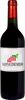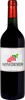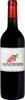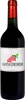
Winery BostavanArmasar Domnesc Muscat Rosé
 Pink wine


This wine generally goes well with spicy food and sweet desserts.
The Armasar Domnesc Muscat Rosé of the Winery Bostavan is in the top 20 of wines of Etulia.

Food and wine pairings with Armasar Domnesc Muscat Rosé
Pairings that work perfectly with Armasar Domnesc Muscat Rosé


Original food and wine pairings with Armasar Domnesc Muscat Rosé
The Armasar Domnesc Muscat Rosé of Winery Bostavan matches generally quite well with dishes of spicy food or sweet desserts such as recipes of creole chipolatas or pancakes.
Details and technical informations about Winery Bostavan's Armasar Domnesc Muscat Rosé.
Discover the grape variety: Biancame
Fresh, structured dry whites with a pale golden colour and a crisp, lean palate; signature aromas of green apple, citrus (lemon), white flowers and delicate Adriatic mineral notes. Refreshing coastal style, best drunk young. A component of DOC whites from the Marche around Pesaro and Urbino; also found in Tuscany as Bianchello. Indigenous Italian white grape from the Marche, sometimes wrongly confused with Piedmont's Erbaluce.
Last vintages of this wine

The best vintages of Armasar Domnesc Muscat Rosé from Winery Bostavan are 2018, 2019, 0
Informations about the Winery Bostavan
The Winery Bostavan is one of of the world's great estates. It offers 96 wines for sale in the of Etulia to come and discover on site or to buy online.

The wine region of Etulia
Moldovan microzone in the far south of the country in Gagauzia near Vulcanești, tertiary red soils (terra rossa) rich in trace elements, climate tempered by the Danube and the Black Sea, millennial tradition. Signature Cabernet Sauvignon red: round and full-bodied with blackcurrant, blackberry, cedar, tobacco and a spiced earthy note, firm tannins — half the output alongside supple Merlot. Dense Saperavi and spicy Fetească Neagră as complement. Sauvignon Blanc and Chardonnay as whites.
The word of the wine: Tries (harvest by)
Harvesting in several successive passages to harvest at their optimal concentration the grapes affected by noble rot. They allow the production of great sweet wines.