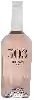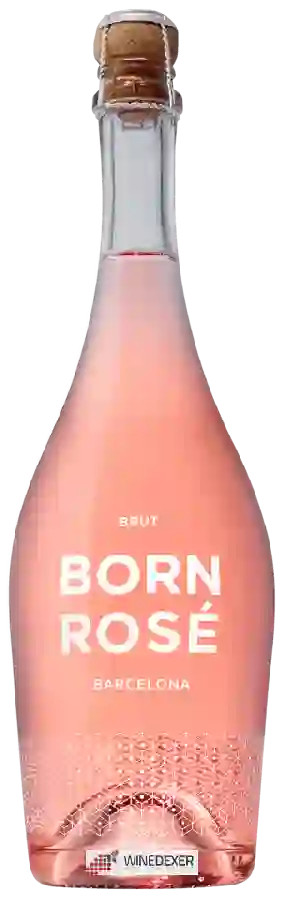
Winery Born Rosé BarcelonaBorn Rosé Brut
 Sparkling wine


This wine generally goes well with pork, poultry or veal.

Food and wine pairings with Born Rosé Brut
Pairings that work perfectly with Born Rosé Brut



Original food and wine pairings with Born Rosé Brut


The Born Rosé Brut of Winery Born Rosé Barcelona matches generally quite well with dishes of veal, pork or game (deer, venison) such as recipes of chicken with rice for cookeo robot, moist parmesan steak or veal head with vinaigrette.
Details and technical informations about Winery Born Rosé Barcelona's Born Rosé Brut.
Discover the grape variety: Pinot noir
Elegant reds, light in colour with silky tannins, showing strawberry, cherry and raspberry aromas, evolving to forest floor, mushroom and spice with age. Fresh acidity, delicate finish. Star of the Côte d'Or (Romanée-Conti, Chambertin, Volnay), pillar of Champagne (Blanc de Noirs) and signature of Oregon, Central Otago and Sonoma Coast. An early-ripening Burgundian variety, one of the world's greatest.
Last vintages of this wine
The best vintages of Born Rosé Brut from Winery Born Rosé Barcelona are 0
Informations about the Winery Born Rosé Barcelona
The Winery Born Rosé Barcelona is one of of the world's greatest estates. It offers 3 wines for sale in the of Catalogne to come and discover on site or to buy online.

The wine region of Catalogne
Cradle of Cava (~95% of Spanish output, traditional method): Macabeo, Xarel-lo, Parellada trilogy, fine fruity bubble. Quality peak in Priorat DOCa: dense, mineral reds on llicorella (schist), old-vine Garnacha and Cariñena with black fruit, garrigue notes, firm tannins. Also Penedès, fleshy Montsant, sunny Empordà, Costers del Segre. Mediterranean.
The word of the wine: De-vatting
Separation of the fermented juice from all solid particles (skin, pips, deposit of lees) by transferring it to a second tank.