The Winery Böhme et Töchter of Saale-Unstrut
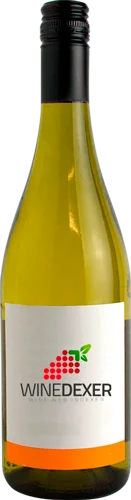
The Winery Böhme et Töchter is one of the world's great estates. It offers 26 wines for sale in of Saale-Unstrut to come and discover on site or to buy online.
Looking for the best Winery Böhme et Töchter wines in Saale-Unstrut among all the wines in the region? Check out our tops of the best red, white or effervescent Winery Böhme et Töchter wines. Also find some food and wine pairings that may be suitable with the wines from this area. Learn more about the region and the Winery Böhme et Töchter wines with technical and enological descriptions.
How Winery Böhme et Töchter wines pair with each other generally quite well with dishes of veal, pork or game (deer, venison) such as recipes of axoa from espelette ( 22nd meeting ), breton galette with buckwheat flour or stuffed cabbage leaves.
On the nose the white wine of Winery Böhme et Töchter. often reveals types of flavors of earth, tree fruit or citrus fruit. In the mouth the white wine of Winery Böhme et Töchter. is a with a nice freshness.
Saale-Unstrut is the northernmost of Germany's 13 wine-growing regions. At 51 degrees northern latitude, it is one of the most northerly wine regions in the world. It takes its name from the two rivers on the banks of which the Vines of the region grow, and is composed of three non-contiguous Parts located mainly in the federal state of Saxony-Anhalt, with around 650 hectares (1600 acres) of Vineyards, often terraced, on South and south-west-facing slopes along the narrow river valleys. A smaller area of 20 hectares (50 acres) is located in the state of Thüringen and a block of just 7 hectares (17 acres) in Brandenburg.
Two towns within the region, Freyburg and Karsdorf, each have one vineyard which has been accorded Grosse Lage status.
Wine has been grown here for more than 1000 years. The Cistercian monks founded the Pforta Abbey in approximately 1100 AD and established the Pfortenser Köppelberg vineyard, which still exists today. The wine industry in this part of Germany had a Hard time during the post-war communist era, but since reunification quality has improved, and the area under vine has expanded slightly.
Saale-Unstrut enjoys plenty of sunshine and has one of the lowest rainfalls of any German wine-growing region. Soils are mainly sedimentary with shell, limestone and sandstone predominating. Despite these favorable conditions, the region's northern Climate is uncompromising, and even when yields are kept low, Spätlese or Auslese wines can only be produced during the warmest of years.
Müller-Thurgau is the most widely planted variety in the Saale-Unstrut region, accounting for around 20 percent of the total vineyard area.
How Winery Böhme et Töchter wines pair with each other generally quite well with dishes of vegetarian such as recipes of cream and tuna quiche.
How Winery Böhme et Töchter wines pair with each other generally quite well with dishes of pasta, veal or pork such as recipes of pasta with walnuts and treviso red salad, stuffed red mullet ballotines or banh mi sandwich.
In the mouth the red wine of Winery Böhme et Töchter. is a with a nice freshness.
A disgusting taste due to a defect in the grapes or, more commonly, a defect in the barrel.
Planning a wine route in the of Saale-Unstrut? Here are the wineries to visit and the winemakers to meet during your trip in search of wines similar to Winery Böhme et Töchter.
Müller-Thurgau shows the character of its noble origins. This Swiss white grape variety is a cross between the royal madeleine and the riesling. The idea that the latter was crossed with the sylvaner is irrelevant. The variety can be recognized by its vigorous character and its semi-erect habit. Preferring rich soils and short prunings, the plant sees its buds open quite early. The buds are cottony and soft green in color. The slightly embossed and tormented blade, with 5 to 7 lobes, makes it possible to distinguish the adult leaves. The clusters appear compact, pyramidal or cylindrical in shape and small to medium in size. The flavour of the Müller-Turgau berries is reminiscent of Muscat. The juicy and crunchy pulp is revealed under a greyish skin. When ripe, the fruit has a mottled shell on a golden yellow background. Switzerland prefers to extract the juice from this variety. The wine made from it is rather heavy and does not keep well.