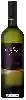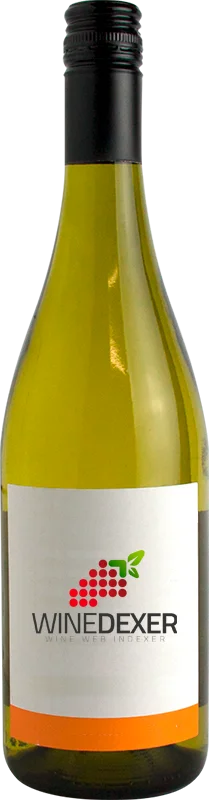
Bodegas Santa AnaEco Torrontés
 White wine


This wine generally goes well with pork, rich fish (salmon, tuna etc) or cured meat.

Food and wine pairings with Eco Torrontés
Pairings that work perfectly with Eco Torrontés



Original food and wine pairings with Eco Torrontés

The Eco Torrontés of Bodegas Santa Ana matches generally quite well with dishes of pork, rich fish (salmon, tuna etc) or spicy food such as recipes of brazilian feijoada, risotto with fresh salmon and zucchini or shrimp in coconut milk curry.
Details and technical informations about Bodegas Santa Ana's Eco Torrontés.
Discover the grape variety: Menu Pineau
Lively and structured dry whites with a pale golden colour, slender palate and razor-sharp acidity, with signature aromas of citrus (lemon), white flowers (acacia), white stone fruit (apple, pear) and Loire mineral notes. An airy and taut profile. Traditional component of Cheverny AOC and Valençay AOC appellations, signing characterful Loire blends. An indigenous French white variety from Touraine and Sologne (also called Arbois), nearly extinct then recently rediscovered.
Last vintages of this wine

The best vintages of Eco Torrontés from Bodegas Santa Ana are 2014, 2017, 2012, 2013 and 0.
Informations about the Bodegas Santa Ana
The Bodegas Santa Ana is one of of the world's great estates. It offers 171 wines for sale in the of San Juan to come and discover on site or to buy online.

The wine region of San Juan
Argentina's 2nd province by volume, a very sunny Andean oasis (<30 cloudy days/year). Signature Syrah (~22% of Argentine Syrah): intense, sun-drenched reds with signature notes of blackberry, black plum, pepper, olive, violet and sweet spice, round tannins and vivid fruit. Also fleshy Malbec, supple Bonarda, spicy Tempranillo. Floral, muscat Torrontes and ample Chardonnay in white.
The word of the wine: Ancestral method
A method of making certain sparkling wines such as blanquette de Limoux, sparkling gaillac or clairette de Die, which consists of a second fermentation in the bottle based on natural sugars and yeasts naturally brought by the grapes (unlike the méthode champenoise, which requires the addition of tirage liquor).