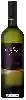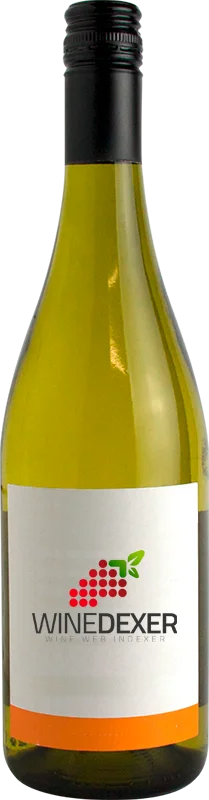
Winery PutrueleCastillo de Tiebas Ugni Blanc - Chenin
 White wine


This wine generally goes well with fruity desserts, lean fish or shellfish.

Food and wine pairings with Castillo de Tiebas Ugni Blanc - Chenin
Pairings that work perfectly with Castillo de Tiebas Ugni Blanc - Chenin


Original food and wine pairings with Castillo de Tiebas Ugni Blanc - Chenin
The Castillo de Tiebas Ugni Blanc - Chenin of Winery Putruele matches generally quite well with dishes of shellfish, lean fish or fruity desserts such as recipes of yellow risotto with mussels, mixed paella valenciana or yoghurt cake.
Details and technical informations about Winery Putruele's Castillo de Tiebas Ugni Blanc - Chenin.
Discover the grape variety: Chenin blanc
Chameleon whites with taut acidity, ranging from mineral dry (Savennières, Vouvray sec) to off-dry and medium-sweet (Vouvray, Montlouis), sumptuous botrytised sweet (Quarts-de-Chaume, Bonnezeaux, Coteaux du Layon) and brilliant sparkling (Crémant de Loire, Vouvray brut). Aromas of quince, apple, honey, white flowers, beeswax and flint. An Anjou variety, also star of South Africa's Western Cape.
Last vintages of this wine

The best vintages of Castillo de Tiebas Ugni Blanc - Chenin from Winery Putruele are 2015, 2014, 2013, 2019 and 0.
Informations about the Winery Putruele
The Winery Putruele is one of of the world's greatest estates. It offers 49 wines for sale in the of San Juan to come and discover on site or to buy online.

The wine region of San Juan
Argentina's 2nd province by volume, a very sunny Andean oasis (<30 cloudy days/year). Signature Syrah (~22% of Argentine Syrah): intense, sun-drenched reds with signature notes of blackberry, black plum, pepper, olive, violet and sweet spice, round tannins and vivid fruit. Also fleshy Malbec, supple Bonarda, spicy Tempranillo. Floral, muscat Torrontes and ample Chardonnay in white.
The word of the wine: Mansois
See servadou iron.