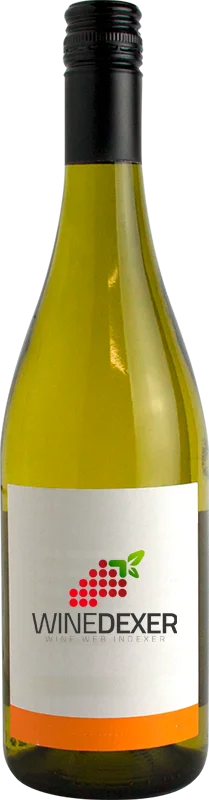
Bodega del Fin del MundoEnd of the World White
 White wine
This wine generally goes well with

Details and technical informations about Bodega del Fin del Mundo's End of the World White.
Discover the grape variety: Négrette
Supple, perfumed reds with a deep ruby robe, smooth tannins and a round palate, with intense, characteristic aromas of violet, red fruit (raspberry, blackcurrant), liquorice, soft spice and peppery notes. Gourmand finish; best young or short ageing. The near-exclusive star of Fronton AOC north of Toulouse (minimum 50% in blends), also made as expressive rosés. Autochthonous South-West French variety, possibly brought from Cyprus by the Knights Hospitaller.
Informations about the Bodega del Fin del Mundo
The Bodega del Fin del Mundo is one of of the world's great estates. It offers 97 wines for sale in the of Patagonia to come and discover on site or to buy online.

The wine region of Patagonia
Argentina's wine frontier, cool continental climate at low altitude (~200 m), strong natural acidity. Signature Pinot Noir, now a regional emblem: fine, silky reds with signature notes of tart cherry, raspberry, wild strawberry, undergrowth, violet and sweet spices, delicate tannins and taut freshness — a southern Burgundian style. Also Malbec fresher than in the north, round Merlot. Taut Sémillon, Sauvignon, Chardonnay, Riesling whites.
The word of the wine: Wort
Juice before fermentation, still loaded with sugar.