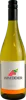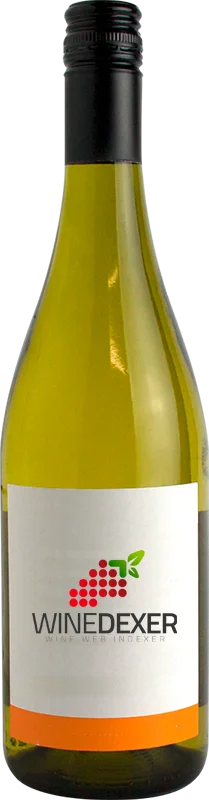
Bodega Cerro del ToroAlbariño
 White wine


This wine generally goes well with pork, rich fish (salmon, tuna etc) or shellfish.
The Albariño of the Bodega Cerro del Toro is in the top 30 of wines of Maldonado.
Wine flavors and olphactive analysis

On the nose the Albariño of Bodega Cerro del Toro in the region of Maldonado often reveals types of flavors of earth.
Food and wine pairings with Albariño
Pairings that work perfectly with Albariño



Original food and wine pairings with Albariño
The Albariño of Bodega Cerro del Toro matches generally quite well with dishes of pork, rich fish (salmon, tuna etc) or shellfish such as recipes of pork chops with mustard, cod brandade or yakisoba (fried noodles).
Details and technical informations about Bodega Cerro del Toro's Albariño.
Discover the grape variety: Albarino
It is a Spanish variety, in Galicia to be precise, with its cradle in the Rias Baixas area, around Pontevedra and up to Orense. It would be a close relative of the Loureiro. Widely cultivated in Portugal, ... in France, it is registered in the Official Catalogue of wine grape varieties, list A1.
Last vintages of this wine

The best vintages of Albariño from Bodega Cerro del Toro are 2019, 2018, 0, 2020
Informations about the Bodega Cerro del Toro
The Bodega Cerro del Toro is one of of the world's greatest estates. It offers 12 wines for sale in the of Maldonado to come and discover on site or to buy online.

The wine region of Maldonado
Maldonado is an emerging wine region in the southeast of Uruguay, on the Atlantic Ocean, producing an array of red and white wines. As elsewhere in the country, the Tannat grape variety is most common. Other key red varieties are Merlot, Malbec and the Cabernets (Sauvignon and Franc). Leading white grapes in the region are Sauvignon Blanc, Chardonnay, Semillon and Riesling.
The word of the wine: Varietal
Said of wine aromas that are reminiscent of fresh grapes. The most demonstrative example is certainly that of wines made from the Muscat grape variety.