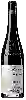
Winery BlütengartenBlaufränkisch
 Red wine


This wine generally goes well with pork, rich fish (salmon, tuna etc) or mature and hard cheese.

Wine flavors and olphactive analysis


On the nose the Blaufränkisch of Winery Blütengarten in the region of Württemberg often reveals types of flavors of spices, red fruit or black fruit.
Food and wine pairings with Blaufränkisch
Pairings that work perfectly with Blaufränkisch



Original food and wine pairings with Blaufränkisch
The Blaufränkisch of Winery Blütengarten matches generally quite well with dishes of pork, rich fish (salmon, tuna etc) or mature and hard cheese such as recipes of flemish carbonnade, tuna and mozzarella pie or endive salad of the gourmands.
Details and technical informations about Winery Blütengarten's Blaufränkisch.
Discover the grape variety: Baroque
Structured, full-bodied dry whites with a pale golden hue, a broad palate and moderate acidity, featuring aromas of yellow fruits (pear, apricot), white flowers (acacia) and spicy Landes notes. Late ripening, resistant to powdery mildew. Star of the Tursan AOC, it defines Gascon whites and contributes to Landes white blends. Native white variety of the Adour basin, grown in Tursan and the Gers.
Last vintages of this wine
The best vintages of Blaufränkisch from Winery Blütengarten are 2019, 2018, 0
Informations about the Winery Blütengarten
The Winery Blütengarten is one of of the world's greatest estates. It offers 3 wines for sale in the of Württemberg to come and discover on site or to buy online.

The wine region of Württemberg
Rare predominantly red region in Germany (nearly 70%). Supple, fruity everyday reds: light, crisp Trollinger (Schiava) with red fruits, more structured, spicy, deep Lemberger (Blaufränkisch), generous Schwarzriesling (Pinot Meunier). Riesling king of whites (>2,000 ha), lively and mineral, citrus and green apple. Germany's 4th region (11,500 ha) on the Neckar slopes around Heilbronn and Stuttgart.
The word of the wine: Shipping (liquor)
In champagne and wines made according to the traditional method, wine is added before corking to fill the void in the bottle created by disgorging. This added wine is often sweetened by sugar incorporated in variable proportions according to the style of wine sought (see dosage). Syn.: liqueur de dosage.