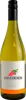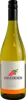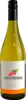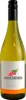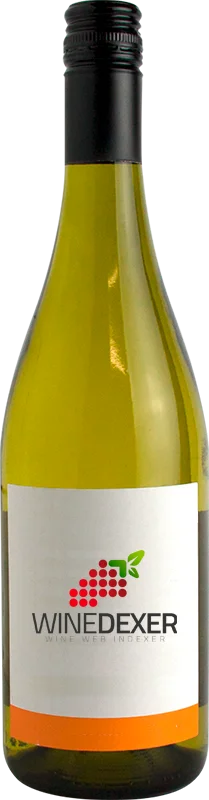
Winery BlatelSt. Antonius Vinum Rulandské Šedé Pozdní Sběr
 White wine
This wine generally goes well with rich fish (salmon, tuna etc), shellfish or mature and hard cheese.
Food and wine pairings with St. Antonius Vinum Rulandské Šedé Pozdní Sběr
Pairings that work perfectly with St. Antonius Vinum Rulandské Šedé Pozdní Sběr



Original food and wine pairings with St. Antonius Vinum Rulandské Šedé Pozdní Sběr
The St. Antonius Vinum Rulandské Šedé Pozdní Sběr of Winery Blatel matches generally quite well with dishes of rich fish (salmon, tuna etc), shellfish or mature and hard cheese such as recipes of tuna omelette, scupion (small cuttlefish) in hot sauce or pasta gratin with comté cheese.
Details and technical informations about Winery Blatel's St. Antonius Vinum Rulandské Šedé Pozdní Sběr.
Discover the grape variety: Pinot gris
Pinot Gris is a grey grape variety mutated from Pinot Noir. It has its origins in Burgundy, where it is called pinot-beurot in reference to the colour of the grey robes worn by the monks of the region. Established in Alsace since the 17th century, pinot gris was called tokay until 2007. It is made up of bunches of small berries that vary in colour from pink to blue-grey. It is particularly well suited to the continental climate because it is resistant to the cold in winter and to spring frosts. This variety also likes dry limestone soils with plenty of sunshine in the summer. Pinot Gris is well suited to late harvesting or to the selection of noble grapes, depending on the year and the concentration of sugars in the berries. Pinot Gris wines are distinguished by their aromatic complexity of white fruits, mushrooms, honey, vanilla, cinnamon, etc., and their great finesse. In the Loire Valley, pinot gris is used in the Coteaux-d'Ancenis appellations. It gives dry or sweet wines with pear and peach aromas.
Informations about the Winery Blatel
The Winery Blatel is one of of the world's greatest estates. It offers 34 wines for sale in the of Morava to come and discover on site or to buy online.

The wine region of Morava
Moravia, with roughly 95 percent of the nation's Vine plantings, is the engine room of the Czech Republic's wine industry. The Center of intensively farmed bulk-wine production is also showing great promise as a producer of quality white wines. This is largely thanks to its cool Climate, comparable in many ways to that in Nahe or Pfalz, the white-wine specialists a few hundred miles west in Germany. Moravian winelands enjoy a Vineyard year well suited to the production of Complex aromatics with good Acidity.
The word of the wine: Naturé
See savagnin.