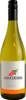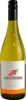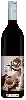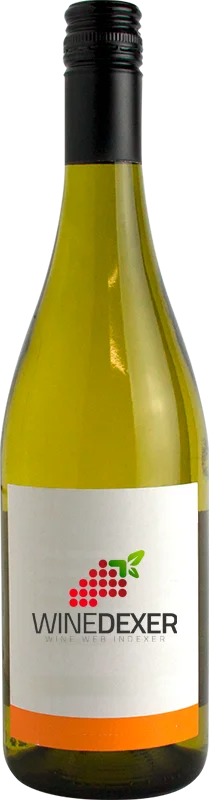
Winery Blasted ChurchViognier
 White wine



This wine generally goes well with pork, poultry or game (deer, venison).

Wine flavors and olphactive analysis



On the nose the Viognier of Winery Blasted Church in the region of British Columbia often reveals types of flavors of earth, tree fruit.
Food and wine pairings with Viognier
Pairings that work perfectly with Viognier



Original food and wine pairings with Viognier



The Viognier of Winery Blasted Church matches generally quite well with dishes of pork, game (deer, venison) or shellfish such as recipes of endive frichti, wild boar stew marinated in red wine or marinated mussels with maroilles.
Details and technical informations about Winery Blasted Church's Viognier.
Discover the grape variety: Viognier
Opulent, heady whites, rich and silky, with intense aromas of apricot, yellow peach, mango, violet, honeysuckle and musky, honeyed notes. Discreet acidity, creamy finish. Star of Condrieu AOC and Château-Grillet AOC, co-vinified in Côte-Rôtie with Syrah (up to 20%). Widely exported to California (Central Coast), Australia (Eden Valley) and Languedoc. A Rhône variety.
Last vintages of this wine
The best vintages of Viognier from Winery Blasted Church are 2017, 0
Informations about the Winery Blasted Church
The Winery Blasted Church is one of of the world's great estates. It offers 30 wines for sale in the of Okanagan Valley to come and discover on site or to buy online.

The wine region of Okanagan Valley
Main vineyard of western Canada, unique climatic contrast. Cooler north: fine Pinot Noir with red fruits, mineral Riesling, balanced Chardonnay. Sunny desert south (Osoyoos): firm Cabernet Sauvignon, round Merlot, spicy deep Syrah. World-renowned specialty: Icewine from Riesling or Vidal, sweet and concentrated (apricot, honey, candied fruits), from grapes frozen on the vine.
The wine region of British Columbia
Canada's west-coast benchmark, wine heartland in the Okanagan Valley. Semi-desert continental climate, marked temperature swings: signature Pinot Gris (pear, honey, spice, round palate), fresh, fine Pinot Noir (cherry, undergrowth), precise Chardonnay and taut Riesling in the north. Hot south for dense Cabernet Sauvignon, round Merlot and peppery Syrah. Also exceptional Icewine (Vidal, Riesling).
The word of the wine: Maturing (champagne)
After riddling, the bottles are stored on "point", upside down, with the neck of one bottle in the bottom of the other. The duration of this maturation is very important: in contact with the dead yeasts, the wine takes on subtle aromas and gains in roundness and fatness. A brut without year must remain at least 15 months in the cellar after bottling, a vintage 36 months.