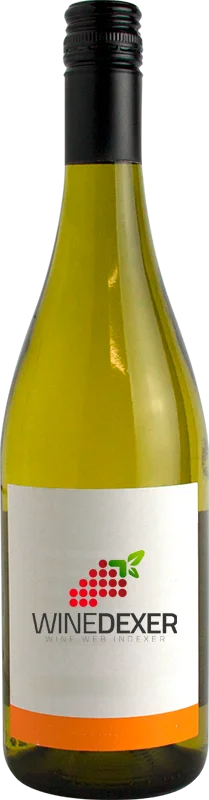
Winery Black CSauvignon Blanc
 White wine



This wine generally goes well with vegetarian, rich fish (salmon, tuna etc) or shellfish.

Wine flavors and olphactive analysis

On the nose the Sauvignon Blanc of Winery Black C in the region of Thracian Valley often reveals types of flavors of tree fruit, tropical fruit.
Food and wine pairings with Sauvignon Blanc
Pairings that work perfectly with Sauvignon Blanc



Original food and wine pairings with Sauvignon Blanc
The Sauvignon Blanc of Winery Black C matches generally quite well with dishes of rich fish (salmon, tuna etc), shellfish or vegetarian such as recipes of salmon and goat cheese quiche, pasta shells or quiche without eggs.
Details and technical informations about Winery Black C's Sauvignon Blanc.
Discover the grape variety: Frontenac
Deeply coloured, fruity reds with a dense purple robe, supple tannins and firm acidity, with intense aromas of black cherry, plum, blackcurrant, blackberry and spicy notes. Also made as expressive rosés and ice wines (Frontenac Gris). An extremely cold-hardy interspecific variety (down to -35°C on the vine), producing wines in cold US states (Minnesota, Wisconsin, Vermont) and Canada (Quebec). Created in 1996 at the University of Minnesota.
Last vintages of this wine
The best vintages of Sauvignon Blanc from Winery Black C are 2016, 0, 2015, 2017 and 2013.
Informations about the Winery Black C
The Winery Black C is one of of the world's greatest estates. It offers 3 wines for sale in the of Thracian Valley to come and discover on site or to buy online.

The wine region of Thracian Valley
Bulgaria's largest wine region, land of identity-driven reds. Signature Mavrud around Plovdiv: a structured, tannic red with notes of blackberry, candied plum, dry herbs, leather and spices, long ageing. Fleshy, deep Rubin (Nebbiolo × Syrah cross), supple, fruity Pamid, dense Melnik 55. Aromatic Red Misket whites (rose, citrus).
The word of the wine: Astringency
Chemical stimulation that tightens the mucous membranes of the mouth and causes a sensation of harshness, which is characteristic of the presence of tannins. With time, the tannins lose their harshness and become softer.