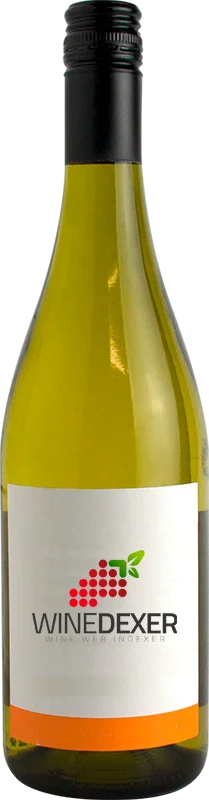
Winery BiolenzMerum Blanc
 White wine
This wine generally goes well with spicy food and sweet desserts.

Food and wine pairings with Merum Blanc
Pairings that work perfectly with Merum Blanc


Original food and wine pairings with Merum Blanc
The Merum Blanc of Winery Biolenz matches generally quite well with dishes of spicy food or sweet desserts such as recipes of rougail sausage or very simple muffins.
Details and technical informations about Winery Biolenz's Merum Blanc.
Discover the grape variety: Seyval blanc
Lively, taut whites with a slender palate and fresh acidity, with aromas of citrus (lemon, grapefruit), green apple, white flowers, pear and discreet herbal notes. Refreshing finish; best drunk young. A cold- and disease-resistant interspecific variety, it produces whites and sparkling wines in the UK (Kent, Sussex), Canada (Quebec, Ontario) and the northeastern US. French hybrid created by Bertille Seyve (Seyve-Villard 5-276).
Informations about the Winery Biolenz
The Winery Biolenz is one of of the world's greatest estates. It offers 9 wines for sale in the of Thurgau to come and discover on site or to buy online.

The wine region of Thurgau
Wine canton of north-eastern German-speaking Switzerland on the shores of Lake Constance and the Rhine (~265 ha), cradle of Müller-Thurgau bred locally in 1882. Signature Pinot Noir (Blauburgunder) dominant in red: fine and silky with signature notes of cherry, raspberry, undergrowth, sweet spices and a mineral touch, delicate tannins and lakeside freshness. Historic Müller-Thurgau as fruity white (light muscat, apple, flowers). Also lively Riesling-Silvaner.
The word of the wine: Guyot (pruning)
This is the most widespread pruning technique. It includes one or two long branches and allows the mechanization of a large number of vineyard operations.