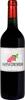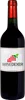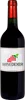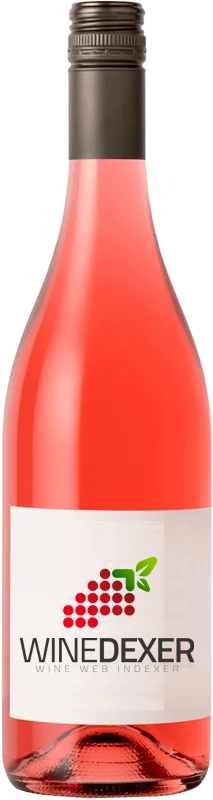
Winery BiltmoreBiltmore Reserve Rosé
 Pink wine



This wine is a blend of 3 varietals which are the Cabernet franc, the Cabernet-Sauvignon and the Merlot.
This wine generally goes well with pork, poultry or beef.

Wine flavors and olphactive analysis


On the nose the Biltmore Reserve Rosé of Winery Biltmore in the region of North Carolina often reveals types of flavors of non oak, oak or spices and sometimes also flavors of red fruit.
Food and wine pairings with Biltmore Reserve Rosé
Pairings that work perfectly with Biltmore Reserve Rosé



Original food and wine pairings with Biltmore Reserve Rosé



The Biltmore Reserve Rosé of Winery Biltmore matches generally quite well with dishes of beef, lamb or pork such as recipes of beef miroton, royal couscous (lamb, chicken, merguez) or new york hot dog.
Details and technical informations about Winery Biltmore's Biltmore Reserve Rosé.
Discover the grape variety: Cabernet franc
Supple, fragrant reds with fine tannins and vibrant freshness, showing raspberry, violet, green pepper, pencil lead and gentle spice aromas. Star of the Loire as a single variety (Chinon, Bourgueil, Saumur-Champigny) and of the right bank of Bordeaux in blends (Cheval Blanc at 60%). Also in semi-dry Anjou rosés. A historic Bordeaux variety, parent of Cabernet-Sauvignon, Merlot and Carmenère.
Last vintages of this wine
The best vintages of Biltmore Reserve Rosé from Winery Biltmore are 0, 2018
Informations about the Winery Biltmore
The Winery Biltmore is one of of the world's great estates. It offers 97 wines for sale in the of North Carolina to come and discover on site or to buy online.

The wine region of North Carolina
Historic US southeastern wine state (top US producer before Prohibition). Yadkin Valley as the main quality zone: signature Cabernet Franc (red fruit, bell pepper, violet, fresh herbs, supple tannins). Also dense Petit Verdot, round Merlot, fruity Sangiovese. Chardonnay whites and rich Petit Manseng (apricot, honey).
The word of the wine: Malolactic fermentation
Called second fermentation or malo for short. It is the degradation (under the effect of bacteria) of the malic acid naturally present in the wine into milder, less aggressive lactic acid. Some producers or wineries refuse this operation by "blocking the malo" (by cold and adding SO2) to keep a maximum of acidity which carries the aromas and accentuates the sensation of freshness.