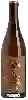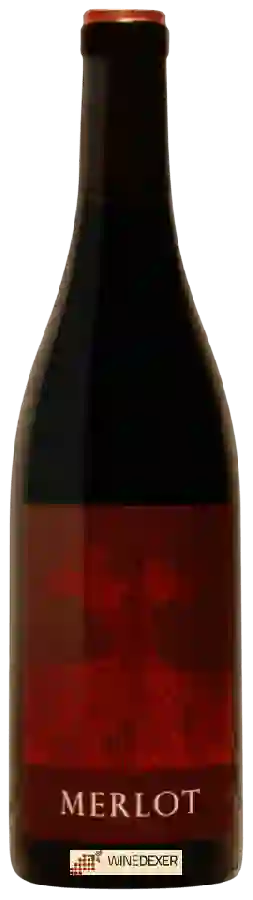
Winery Bianka and Daniel SchmittMerlot
 Red wine


This wine generally goes well with beef and game (deer, venison).

Wine flavors and olphactive analysis


On the nose the Merlot of Winery Bianka and Daniel Schmitt in the region of Rheinhessen often reveals types of flavors of spices, red fruit or black fruit.
Food and wine pairings with Merlot
Pairings that work perfectly with Merlot


Original food and wine pairings with Merlot
The Merlot of Winery Bianka and Daniel Schmitt matches generally quite well with dishes of beef or game (deer, venison) such as recipes of fondue vigneronne au vin rouge or autumn duck aiguillette.
Details and technical informations about Winery Bianka and Daniel Schmitt's Merlot.
Discover the grape variety: Merlot
Round and fleshy reds with a velvety texture, showing aromas of ripe plum, black cherry, cocoa and truffle notes with age. Supple tannins, generous alcohol, indulgent finish. Pillar of Libournais (Pomerol with Pétrus, Saint-Émilion with Cheval Blanc and Ausone) and signature of Super Tuscans, Italian Wales and Washington State. A cross of Cabernet Franc × Magdeleine Noire, France's most planted red variety.
Last vintages of this wine
The best vintages of Merlot from Winery Bianka and Daniel Schmitt are 2016, 0
Informations about the Winery Bianka and Daniel Schmitt
The Winery Bianka and Daniel Schmitt is one of of the world's great estates. It offers 32 wines for sale in the of Rheinhessen to come and discover on site or to buy online.

The wine region of Rheinhessen
71% white region: Riesling is king (5,000 ha), dry to off-dry, ripe yellow fruit, apple, citrus and fine saline minerality. Supple, floral Müller-Thurgau for everyday, the world's largest Silvaner plantation with herbaceous, straight notes. Historic cradle of off-sweet Liebfraumilch. Some supple reds (Dornfelder, Spätburgunder).
The word of the wine: Astringency
Chemical stimulation that tightens the mucous membranes of the mouth and causes a sensation of harshness, which is characteristic of the presence of tannins. With time, the tannins lose their harshness and become softer.