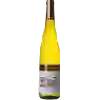
Winery BestheimKlevener de Heiligenstein
 White wine


This wine generally goes well with

Details and technical informations about Winery Bestheim's Klevener de Heiligenstein.
Discover the grape variety: Freisamer
Rich and full-bodied whites with good ageing potential, a deeper golden colour, a full and creamy palate with moderate acidity and signature aromas of ripe yellow fruits (peach, apricot), honey, hazelnut and buttery notes. A structured and vinous profile. Grown on small surfaces in Germany (Baden) and Switzerland for structured, age-worthy whites. White variety obtained in 1916 in Freiburg im Breisgau (Silvaner × Pinot Gris).
Last vintages of this wine

The best vintages of Klevener de Heiligenstein from Winery Bestheim are 2017, 2016, 2015
Informations about the Winery Bestheim
The Winery Bestheim is one of of the world's great estates. It offers 126 wines for sale in the of Alsace to come and discover on site or to buy online.

The wine region of Alsace
Capital of great French aromatic whites, most often dry and single-varietal. Straight, mineral Riesling (lemon, gunflint), opulent, exuberant Gewurztraminer (lychee, rose, spices), round, smoky Pinot Gris, floral, crisp Muscat, supple Pinot Blanc. Fine, fruity Crémants d'Alsace, exceptional sweet Vendanges Tardives and Sélection de Grains Nobles. 15,500 ha at the foot of the Vosges on varied soils, 51 Grands Crus since 1975.
The word of the wine: Guyot (pruning)
This is the most widespread pruning technique. It includes one or two long branches and allows the mechanization of a large number of vineyard operations.