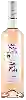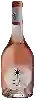
Winery Bertaud BelieuLe P'tit Bertaud Rosé
 Pink wine



This wine generally goes well with beef, lamb or mature and hard cheese.

Food and wine pairings with Le P'tit Bertaud Rosé
Pairings that work perfectly with Le P'tit Bertaud Rosé



Original food and wine pairings with Le P'tit Bertaud Rosé

The Le P'tit Bertaud Rosé of Winery Bertaud Belieu matches generally quite well with dishes of beef, lamb or spicy food such as recipes of slow-cooked fillet of beef, leg or shoulder of lamb with honey and thyme or lamb tagine with prunes.
Details and technical informations about Winery Bertaud Belieu's Le P'tit Bertaud Rosé.
Discover the grape variety: Rolle
Structured, aromatic whites with an ample mouth and fresh acidity, featuring aromas of citrus (grapefruit, lemon), pear, white flesh fruits, white flowers, fennel and typical marine saline notes. Slightly bitter finish on citrus peel. The absolute signature of great Provence whites (Côtes de Provence AOC, Bellet AOC), a pillar of Corsican whites (Patrimonio AOC, Ajaccio AOC) and present in Languedoc. The French name for Italian Vermentino, native Mediterranean grape.
Last vintages of this wine
The best vintages of Le P'tit Bertaud Rosé from Winery Bertaud Belieu are 2019, 0
Informations about the Winery Bertaud Belieu
The Winery Bertaud Belieu is one of of the world's greatest estates. It offers 18 wines for sale in the of Méditerranée to come and discover on site or to buy online.

The wine region of Méditerranée
Vast IGP of south-east France (Provence, Vaucluse, Var, Corsica, Ardèche), 75% rosés. Fresh, fruity rosés with signature notes of strawberry, raspberry, citrus, white flowers and a Mediterranean touch, taut and thirst-quenching on the palate — the quintessential sunny aperitif. Supple reds blending Grenache, Syrah, Cabernet and Merlot (red fruits, garrigue, spice), full whites of Viognier (apricot, flowers) and Chardonnay. Generous everyday wines, expression of the south.
The word of the wine: Merithalle
Botanical term for the interval between two nodes or between two leaf insertions on a branch (see internode).