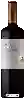
Winery Batán de Salas de BerozRoble
 Red wine


In the mouth this red wine is a powerful.
This wine generally goes well with poultry, beef or veal.

Taste structure of the Roble from the Winery Batán de Salas de Beroz
Light | Bold | |
Smooth | Tannic | |
Dry | Sweet | |
Soft | Acidic |
In the mouth the Roble of Winery Batán de Salas de Beroz in the region of Catalogne is a powerful.
Food and wine pairings with Roble
Pairings that work perfectly with Roble



Original food and wine pairings with Roble

The Roble of Winery Batán de Salas de Beroz matches generally quite well with dishes of beef, pasta or veal such as recipes of wild boar with honey, quick salmon and zucchini lasagna or tournedos rossini with port sauce.
Details and technical informations about Winery Batán de Salas de Beroz's Roble.
Discover the grape variety: Gewurztraminer
Full-bodied, exotic whites, rich and heady, with moderate acidity, showing opulent aromas of lychee, rose, mango, ginger, pink grapefruit and gentle spice. Made as aromatic dry, moelleux late-harvest and liquorous sélection de grains nobles. Star of Alsace AOC (one of the four noble varieties) and signature of Alto Adige (Tramin), Palatinate and Germany. A pink mutation of Traminer.
Last vintages of this wine
The best vintages of Roble from Winery Batán de Salas de Beroz are 0
Informations about the Winery Batán de Salas de Beroz
The Winery Batán de Salas de Beroz is one of of the world's great estates. It offers 24 wines for sale in the of Catalogne to come and discover on site or to buy online.

The wine region of Catalogne
Cradle of Cava (~95% of Spanish output, traditional method): Macabeo, Xarel-lo, Parellada trilogy, fine fruity bubble. Quality peak in Priorat DOCa: dense, mineral reds on llicorella (schist), old-vine Garnacha and Cariñena with black fruit, garrigue notes, firm tannins. Also Penedès, fleshy Montsant, sunny Empordà, Costers del Segre. Mediterranean.
The word of the wine: VQPRD
Quality wine produced in a specific region. European designation that groups together appellation wines, i.e., in France, AOC and VDQS.