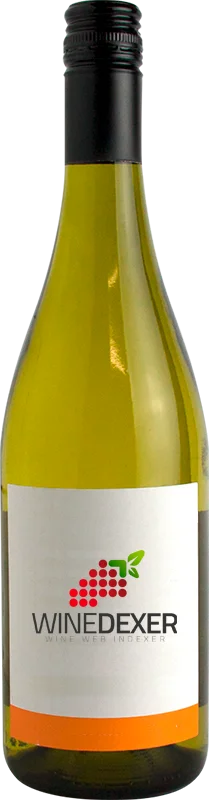
Winery Bernhard HuberMuskateller
 White wine
This wine generally goes well with spicy food and sweet desserts.
Food and wine pairings with Muskateller
Pairings that work perfectly with Muskateller


Original food and wine pairings with Muskateller
The Muskateller of Winery Bernhard Huber matches generally quite well with dishes of spicy food or sweet desserts such as recipes of chicken tagine with apricots or very simple muffins.
Details and technical informations about Winery Bernhard Huber's Muskateller.
Discover the grape variety: Mourvaison
Mourvaison noir is a grape variety that originated in France (Provence). It produces a variety of grape specially used for wine making. It is rare to find this grape to eat on our tables. This variety of grape is characterized by medium-sized bunches and medium-sized grapes. Mourvaison noir can be found in several vineyards: South-West, Cognac, Bordeaux, Provence & Corsica, Rhone valley, Loire valley, Savoie & Bugey, Beaujolais.
Informations about the Winery Bernhard Huber
The Winery Bernhard Huber is one of of the world's great estates. It offers 63 wines for sale in the of Malterdingen to come and discover on site or to buy online.

The wine region of Malterdingen
The wine region of Malterdingen is located in the region of Baden of Germany. Wineries and vineyards like the Domaine Bernhard Huber or the Domaine Bernhard Huber produce mainly wines red and white. On the nose of Malterdingen often reveals types of flavors of spices, red fruit. In the mouth of Malterdingen is a with a nice freshness.
The wine region of Baden
German capital of Pinot Noir (Spätburgunder): silky, fine reds with notes of red fruits, cherry, undergrowth and sweet spices, melted tannins. Round Grauburgunder (Pinot Gris), lively Weissburgunder, supple Müller-Thurgau, mineral Riesling. Germany's 3rd region (15,000 ha) in Baden-Württemberg facing Alsace, one of the country's warmest climates, volcanic soils at the Kaiserstuhl. Cradle of modern great German reds, elegant and fine.
The word of the wine: Late harvest
A name historically used in Alsace, late harvest refers to grapes harvested during over-ripening for the production of sweet and syrupy wines.