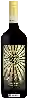
Winery Bernard-MassardKuulea Rosé Extra Dry
 wine
wine
This wine generally goes well with
The Kuulea Rosé Extra Dry of the Winery Bernard-Massard is in the top 0 of wines of Luxembourg.

Details and technical informations about Winery Bernard-Massard's Kuulea Rosé Extra Dry.
Discover the grape variety: Millot Léon
Colourful and fruity reds with a deep purple hue, smooth tannins and an airy palate with moderate acidity, featuring aromas of dark fruits (blackcurrant, blackberry), herbal notes and a slight labrusca character. Early-ripening and extremely cold-hardy. Grown in Canada (Québec, Ontario) and the north-eastern USA for harsh continental climates. Synonym for Léon Millot, a French black hybrid obtained in 1911 by Eugène Kuhlmann in Alsace.
Informations about the Winery Bernard-Massard
The Winery Bernard-Massard is one of of the world's great estates. It offers 85 wines for sale in the of Luxembourg to come and discover on site or to buy online.

The wine region of Luxembourg
Vineyard of the Grand Duchy stretched 42 km along the Moselle, 90% whites. Signature Crémant de Luxembourg in sparkling: strict traditional method (9 months on lees) with green apple, citrus, brioche, white flowers and chalky mineral touch, fine bubble — national aperitif. Taut Riesling (lemon, peach, minerality), full Pinot Gris (pear, honey), fine Pinot Blanc, round Auxerrois, lively Elbling, floral Rivaner. Limestone slopes and Keuper marls.
The word of the wine: Stave
A slat of wood that makes up the barrel.