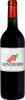
Winery Berger DuvignalBonnes Cotes Rouge
 Red wine
This wine generally goes well with beef, veal or pasta.

Food and wine pairings with Bonnes Cotes Rouge
Pairings that work perfectly with Bonnes Cotes Rouge



Original food and wine pairings with Bonnes Cotes Rouge
The Bonnes Cotes Rouge of Winery Berger Duvignal matches generally quite well with dishes such as recipes .
Details and technical informations about Winery Berger Duvignal's Bonnes Cotes Rouge.
Discover the grape variety: Teinturier
Intensely coloured teinturier reds with a near-black deep red colour, signature red pulp, firm tannins and dense palate, with simple aromas of black fruit (blackberry, blackcurrant), spices and balsamic notes. Historically used in blends to intensify colour. Now marginal, it survives in varietal collections. Generic name for indigenous French varieties with red pulp (Teinturier du Cher, Teinturier Henri Bouschet).
Informations about the Winery Berger Duvignal
The Winery Berger Duvignal is one of of the world's greatest estates. It offers 26 wines for sale in the of Vin de Pays to come and discover on site or to buy online.

The wine region of Vin de Pays
Intermediate category between AOC and Vin de France (renamed IGP in 2009), 27% of national volume. Accessible, expressive wines defined by their grape: opulent Chardonnay, lively Sauvignon, round Merlot, peppery Syrah, floral Viognier with apricot. 76 IGP in France at 3 scales: regional (Pays d'Oc, Méditerranée, Val de Loire), departmental or local. Flexible rules, wide range of permitted grapes, free grape and vintage labelling.
The wine region of Pays d'Oc
The single-grape IGP par excellence: modern, accessible, frank and fruity wines, the popular signature of the Midi. Spicy Syrah reds (pepper, blackberry), round Merlot, structured Cabernet, generous Grenache, supple Cinsault. Crisp, tangy rosés. Opulent Chardonnay whites, lively Sauvignon, floral, apricoty Viognier.
The word of the wine: Silky
Said of a caressing wine with extremely fine tannins.