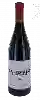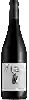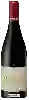
Winery Benjamin DarnaultSaint-Chinian Organic
 Red wine



In the mouth this red wine is a powerful with a nice balance between acidity and tannins.
This wine generally goes well with beef, veal or pasta.

Taste structure of the Saint-Chinian Organic from the Winery Benjamin Darnault
Light | Bold | |
Smooth | Tannic | |
Dry | Sweet | |
Soft | Acidic |
In the mouth the Saint-Chinian Organic of Winery Benjamin Darnault in the region of Languedoc-Roussillon is a powerful with a nice balance between acidity and tannins.
Wine flavors and olphactive analysis


On the nose the Saint-Chinian Organic of Winery Benjamin Darnault in the region of Languedoc-Roussillon often reveals types of flavors of blackberry, oak or red fruit and sometimes also flavors of black fruit.
Food and wine pairings with Saint-Chinian Organic
Pairings that work perfectly with Saint-Chinian Organic



Original food and wine pairings with Saint-Chinian Organic
The Saint-Chinian Organic of Winery Benjamin Darnault matches generally quite well with dishes of beef, pasta or veal such as recipes of shepherd's pie (potatoes, beef, carrots, bacon), pasta with tuna or duck breast with orange sauce.
Details and technical informations about Winery Benjamin Darnault's Saint-Chinian Organic.
Discover the grape variety: Big Muscat seedless
Table grape with long clusters of seedless golden berries, thin skin and crunchy flesh, with an intense muscat flavour. Very aromatic. Very rarely vinified. Grown in California, Australia and Chile for export markets, prized for its seductive muscat aroma, attractive appearance and long shelf life. American seedless muscat table grape, obtained by crossing for fresh consumption.
Last vintages of this wine
The best vintages of Saint-Chinian Organic from Winery Benjamin Darnault are 2015, 2013, 2016
Informations about the Winery Benjamin Darnault
The Winery Benjamin Darnault is one of of the world's great estates. It offers 34 wines for sale in the of Saint-Chinian to come and discover on site or to buy online.

The wine region of Saint-Chinian
Languedoc cru between Beziers and Saint-Pons, signature dual terroir. Fleshy Mediterranean reds with notes of black fruit (blackberry, black cherry), garrigue, pepper, liquorice and spice, firm tannins and a sun-drenched palate. Northern schists: fruitier, smokier profile. Southern clay-limestone: more structured wines.
The wine region of Languedoc-Roussillon
Largest single French vineyard, dominated by sunny, generous reds. Spicy Syrah, candied Grenache (ripe fruit, garrigue), structured Carignan, deep Mourvèdre, supple Cinsault. Stars: structured Corbières, Minervois, Faugères, Saint-Chinian; round Côtes-du-Roussillon. Legendary vins doux naturels: Banyuls and Maury (fortified Grenache) with notes of cocoa, fig, prune.
The word of the wine: Salmanazar
Bottle with a capacity of 9 litres.