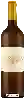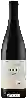
Winery BenčinaMerlot Vipavska Dolina
 Red wine



This wine generally goes well with beef and game (deer, venison).
Wine flavors and olphactive analysis

Food and wine pairings with Merlot Vipavska Dolina
Pairings that work perfectly with Merlot Vipavska Dolina


Original food and wine pairings with Merlot Vipavska Dolina
The Merlot Vipavska Dolina of Winery Benčina matches generally quite well with dishes of beef or game (deer, venison) such as recipes of family potluck or duck confit (canned).
Details and technical informations about Winery Benčina's Merlot Vipavska Dolina.
Discover the grape variety: Merlot
Merlot is a red grape variety with small black berries that appeared at the end of the 18th century. It is produced in most of the Bordeaux terroirs, where it represents 58% of the planted area, and its best terroir is located in Pomerol and Saint-Emilion on cool, clay-limestone soils. At the mythical Château Pétrus, the wine is made with 95% Merlot, with a dark, dense colour, aromas of red and black fruits and a superb range of flavours, the Merlot transforms during its ageing to give way to notes of prunes, undergrowth and spices. On the palate, it is supple with distinguished tannins. It is often blended with Cabernet Sauvignon. Merlot is no longer exclusive to Bordeaux, it is nowadays vinified all over the world.
Last vintages of this wine
The best vintages of Merlot Vipavska Dolina from Winery Benčina are 0
Informations about the Winery Benčina
The Winery Benčina is one of of the world's greatest estates. It offers 9 wines for sale in the of Primorje to come and discover on site or to buy online.

The wine region of Primorje
Coastal region of western Slovenia, the country's most qualitative, bordering Italy. Signature elegant whites and orange wines. Star Rebula (Ribolla Gialla) with signature notes of pear, citrus, white flowers, fresh almond and a mineral touch, taut and long palate — often in long maceration (orange) with dried fruits and black tea notes. Native Refošk as dense, lively red (black cherry, iron).
The word of the wine: Tries (harvest by)
Harvesting in several successive passages to harvest at their optimal concentration the grapes affected by noble rot. They allow the production of great sweet wines.