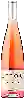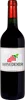
Winery Le Bijou de Sophie Valrose (Bijou Wine)Cabrières Rosé
 Pink wine



This wine generally goes well with

Wine flavors and olphactive analysis





On the nose the Cabrières Rosé of Winery Le Bijou de Sophie Valrose (Bijou Wine) in the region of Languedoc-Roussillon often reveals types of flavors of cherry, grapefruit or strawberries and sometimes also flavors of vanilla, pepper or non oak.
Details and technical informations about Winery Le Bijou de Sophie Valrose (Bijou Wine)'s Cabrières Rosé.
Discover the grape variety: Grand noir de la C
Intensely coloured and simple reds, opaque purple colour (red pulp), supple tannins and light mouth with moderate acidity, with discreet red fruit aromas. Teinturier profile. Once widely planted in the Midi to deepen the colour of southern blends, today marginal but still found in Languedoc. French teinturier black grape (Grand Noir de la Calmette), bred in 1855 (Aramon x Petit Bouschet).
Last vintages of this wine
The best vintages of Cabrières Rosé from Winery Le Bijou de Sophie Valrose (Bijou Wine) are 2015, 2014, 2012, 2016 and 2017.
Informations about the Winery Le Bijou de Sophie Valrose (Bijou Wine)
The Winery Le Bijou de Sophie Valrose (Bijou Wine) is one of of the world's greatest estates. It offers 20 wines for sale in the of Languedoc to come and discover on site or to buy online.

The wine region of Languedoc
Sunny, generous southern reds: spicy, peppery Syrah, round, candied Grenache (ripe fruit, garrigue), deep Mourvèdre, structured Carignan, supple Cinsault. From robust Corbières and Minervois to fresher Terrasses du Larzac, via Faugères on schist or taut Pic Saint-Loup. Lively, iodised Picpoul de Pinet whites (oysters), ample Roussanne and Marsanne. 14 sub-appellations, ~10,000 ha in regional AOC.
The wine region of Languedoc-Roussillon
Largest single French vineyard, dominated by sunny, generous reds. Spicy Syrah, candied Grenache (ripe fruit, garrigue), structured Carignan, deep Mourvèdre, supple Cinsault. Stars: structured Corbières, Minervois, Faugères, Saint-Chinian; round Côtes-du-Roussillon. Legendary vins doux naturels: Banyuls and Maury (fortified Grenache) with notes of cocoa, fig, prune.
The word of the wine: Vaccaresis
Black grape variety, one of the 13 of Châteauneuf-du-Pape, which can be used in a blend in this appellation and other neighbouring AOCs (Côtes-du-Rhône, Gigondas...). It produces a floral, elegant and fresh wine, which balances the warmth of the Grenache. It is rare.