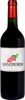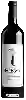
Winery BarbieriAnonymvs
 Red wine


This wine generally goes well with

Wine flavors and olphactive analysis





On the nose the Anonymvs of Winery Barbieri in the region of California often reveals types of flavors of earth, oak or red fruit and sometimes also flavors of black fruit.
Details and technical informations about Winery Barbieri's Anonymvs.
Discover the grape variety: Joubertin
Light and simply fruity reds with a pale ruby colour, silky tannins and an airy palate with moderate acidity, featuring undemonstrative red fruit aromas. Discreet rustic profile. Almost extinct, preserved in INRAE varietal collections, it bears witness to the pre-phylloxera ampelographic diversity of the South-West and is among the heritage grape varieties under study. Rare French black grape, once grown in the South-West.
Last vintages of this wine

The best vintages of Anonymvs from Winery Barbieri are 2010, 0, 2012
Informations about the Winery Barbieri
The Winery Barbieri is one of of the world's greatest estates. It offers 21 wines for sale in the of Santa Barbara County to come and discover on site or to buy online.

The wine region of Santa Barbara County
Californian star of cool climates (Central Coast): signature Pinot Noir as king of reds on the cool AVAs (Sta. Rita Hills, Santa Maria Valley) — fine and mineral with notes of cherry, raspberry, undergrowth, orange peel and spice, Burgundy-style acidity. Taut Chardonnay (citrus, apple, gunflint). Fleshy Syrah (Ballard Canyon).
The wine region of California
Powerful, sunny reds: dense Napa Cabernet Sauvignon (blackcurrant, chocolate, tobacco, ample tannins), spicy, jammy Zinfandel from the Sierra Foothills, silky red-fruited Pinot Noir on the cool coast (Sonoma, Russian River, Central Coast). Opulent, buttery Chardonnay, notes of yellow fruit and vanilla. Varied climate, from the hot interior to the Pacific-cooled coast. 80% of US production, 139 AVAs including Napa (1st AVA, 1981).
The word of the wine: Aging on lees
Maturing on the lees enhances the stability, aromatic complexity and texture of white wines, which gain in body and volume. This phenomenon is induced by autolysis, the process of self-degradation of the lees.