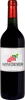
Winery BanditRosé
 Pink wine


This wine generally goes well with beef, lamb or mature and hard cheese.
Food and wine pairings with Rosé
Pairings that work perfectly with Rosé



Original food and wine pairings with Rosé

The Rosé of Winery Bandit matches generally quite well with dishes of beef, lamb or spicy food such as recipes of chinese noodles with beef, douez battata with cardoons (moroccan lamb stew) or chinese noodles with shrimp.
Details and technical informations about Winery Bandit's Rosé.
Discover the grape variety: Courbu noir
Courbu noir is a grape variety with red and bronze leaves. It originates from the Pyrenean vineyards where it occupies a little more than one hectare. It is completely different from the white Courbu. The adult leaves have five lobes and a petiolar sinus. The berries of the Courbu Noir are round. The berries are small, as are the clusters. The beginning of the veins and the petiolar point are red. The shoots of this grape variety bend to form a parasol. To hope for a significant harvest, it is important to prune it long. Its budburst period begins 3 days after Chasselas. As for its maturity, it is the third period. This variety is very sensitive to oidium, but it does not fear mildew very much. It produces light and fine wines. It is not very colourful and does not contain enough alcohol. Courbu Noir has two approved clones, 728 and 729.
Last vintages of this wine
The best vintages of Rosé from Winery Bandit are 0
Informations about the Winery Bandit
The Winery Bandit is one of of the world's greatest estates. It offers 9 wines for sale in the of California to come and discover on site or to buy online.

The wine region of California
California is the largest and most important wine region in the United States. It represents the southern two-thirds (850 miles or 1,370 kilometers) of the country's west coast. (Oregon and Washington make up the rest. ) The state also spans nearly 10 degrees of latitude.
The word of the wine: Basic wine
Dry, still wine intended for the production of sparkling wines (champagne, crémants, etc.). The basic wines undergo a second fermentation in the bottle for the production of carbon dioxide, and therefore of bubbles.