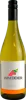
Winery BagleysFinger Lakes Chardonnay
 White wine
This wine generally goes well with pork, vegetarian or poultry.
Food and wine pairings with Finger Lakes Chardonnay
Pairings that work perfectly with Finger Lakes Chardonnay



Original food and wine pairings with Finger Lakes Chardonnay

The Finger Lakes Chardonnay of Winery Bagleys matches generally quite well with dishes of pork, rich fish (salmon, tuna etc) or vegetarian such as recipes of quiche with mixed vegetables, baked sea bream or mushroom, bacon and gruyere quiche.
Details and technical informations about Winery Bagleys's Finger Lakes Chardonnay.
Discover the grape variety: Chardonnay
The white Chardonnay is a grape variety that originated in France (Burgundy). It produces a variety of grape specially used for wine making. It is rare to find this grape to eat on our tables. This variety of grape is characterized by small bunches, and small grapes. White Chardonnay can be found in many vineyards: South West, Burgundy, Jura, Languedoc & Roussillon, Cognac, Bordeaux, Beaujolais, Savoie & Bugey, Loire Valley, Champagne, Rhone Valley, Armagnac, Lorraine, Alsace, Provence & Corsica.
Informations about the Winery Bagleys
The Winery Bagleys is one of of the world's great estates. It offers 16 wines for sale in the of Finger Lakes to come and discover on site or to buy online.

The wine region of Finger Lakes
The wine region of Finger Lakes is located in the region of New York of United States. We currently count 165 estates and châteaux in the of Finger Lakes, producing 1354 different wines in conventional, organic and biodynamic agriculture. The wines of Finger Lakes go well with generally quite well with dishes .
The wine region of New York
New York may not be particularly famous for its wines, but the state is home to a significant number of vineyards and wineries. It ranks third among U. S. wine-producing states in terms of Volume produced, surpassed only by Washington State and of course California.
The word of the wine: Dish
Wine lacking tone and relief in the mouth.