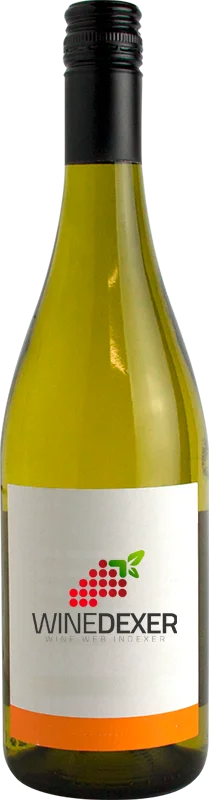
Winery Aykut ÖzkanIsabey Emir - Sultaniye Dry White
 White wine


This wine generally goes well with

Details and technical informations about Winery Aykut Özkan's Isabey Emir - Sultaniye Dry White.
Discover the grape variety: Ekigaïna
Deeply coloured and structured reds with a deep ruby robe, firm to powerful tannins and a dense palate, with signature aromas of black fruits (blackberry, blackcurrant), plum, spices and balsamic notes. Fine ageing potential as a tannic red. Grown mainly in the South-West for IGPs, it offers excellent potential for red wines with ageing ability. French black grape obtained in 1956 by crossing Tannat × Cabernet Sauvignon, like Arinarnoa.
Last vintages of this wine
The best vintages of Isabey Emir - Sultaniye Dry White from Winery Aykut Özkan are 2018, 0
Informations about the Winery Aykut Özkan
The Winery Aykut Özkan is one of of the world's great estates. It offers 15 wines for sale in the of Denizli to come and discover on site or to buy online.

The wine region of Denizli
Wine region of western Turkey (inland Aegean), Çal high plateau (700-1,200 m) supplying one fifth of national wine grapes. Volcanic soils and red mineral earths. Signature Çalkarası native variety: lively rosés and light reds with notes of strawberry, cherry, raspberry, pomegranate, citrus and mineral touch, taut acidity and fresh palate — the regional specialty. Also white Sultaniye, firm Cabernet Sauvignon, peppery Syrah, full Chardonnay, lively Sauvignon.
The wine region of Ege Bolgesi
Turkey's largest wine region (Aegean Sea, ~52% of production), ancient cradle of Smyrna and Ephesus, hot Mediterranean climate on clay-limestone and schist soils. Sultaniye is the signature white king (seedless grape, ~95% of vines at Manisa): lively and light with citrus, green apple, white flowers and honey touch, from dry to semi-sweet. Bornova Misketi (Muscat) floral and aromatic, Çalkarası as spiced rosé. International Cabernet and Syrah.
The word of the wine: Large plant
See crazy white woman.