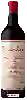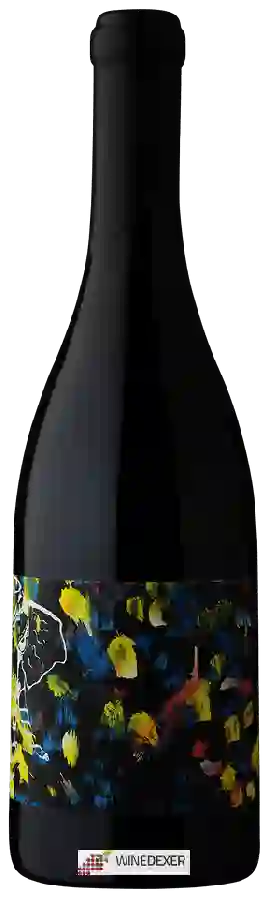
Winery Austin HopeGrenache
 Red wine


This wine generally goes well with beef and mature and hard cheese.

Wine flavors and olphactive analysis






On the nose the Grenache of Winery Austin Hope in the region of California often reveals types of flavors of non oak, earth or microbio and sometimes also flavors of vegetal, oak or spices.
Food and wine pairings with Grenache
Pairings that work perfectly with Grenache


Original food and wine pairings with Grenache
The Grenache of Winery Austin Hope matches generally quite well with dishes of beef or mature and hard cheese such as recipes of chinese fondue or fondue savoyarde style.
Details and technical informations about Winery Austin Hope's Grenache.
Discover the grape variety: Cortese
Lively, structured whites with firm acidity and a slender mouth, featuring aromas of citrus (lemon, grapefruit), green apple, white flowers, fresh almond and chalky mineral notes. Typically saline finish. The absolute star of Gavi DOCG (Cortese di Gavi), one of Italy's great whites, also made as sparkling wines and aged cuvées. Present in Colli Tortonesi DOC and Lombardy. Native Piedmontese grape from the southeast, with a long tradition of noble whites.
Last vintages of this wine
The best vintages of Grenache from Winery Austin Hope are 2016, 2017, 2015, 2014 and 2013.
Informations about the Winery Austin Hope
The Winery Austin Hope is one of of the world's greatest estates. It offers 36 wines for sale in the of Paso Robles to come and discover on site or to buy online.

The wine region of Paso Robles
Powerful, sun-drenched reds of California's Central Coast: ripe, concentrated Cabernet Sauvignon (40%) with notes of plum and chocolate, round tannins. Emblematic Rhône grapes — fleshy peppery Syrah, fruity Grenache, structured Mourvèdre, Viognier in white. Spicy old-vine Zinfandel, a local signature. AVA of San Luis Obispo, 11 sub-AVAs, Mediterranean climate with thermal swings on limestone soils.
The wine region of California
Powerful, sunny reds: dense Napa Cabernet Sauvignon (blackcurrant, chocolate, tobacco, ample tannins), spicy, jammy Zinfandel from the Sierra Foothills, silky red-fruited Pinot Noir on the cool coast (Sonoma, Russian River, Central Coast). Opulent, buttery Chardonnay, notes of yellow fruit and vanilla. Varied climate, from the hot interior to the Pacific-cooled coast. 80% of US production, 139 AVAs including Napa (1st AVA, 1981).
The word of the wine: Vintage
Year of production of a wine, it is usually indicated on the label.