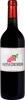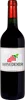
Winery Augusta BilbilisSamitier Roble
 Red wine



In the mouth this red wine is a powerful with a nice balance between acidity and tannins.
This wine generally goes well with poultry, beef or game (deer, venison).
Taste structure of the Samitier Roble from the Winery Augusta Bilbilis
Light | Bold | |
Smooth | Tannic | |
Dry | Sweet | |
Soft | Acidic |
In the mouth the Samitier Roble of Winery Augusta Bilbilis in the region of Catalogne is a powerful with a nice balance between acidity and tannins.
Food and wine pairings with Samitier Roble
Pairings that work perfectly with Samitier Roble



Original food and wine pairings with Samitier Roble


The Samitier Roble of Winery Augusta Bilbilis matches generally quite well with dishes of beef, pasta or lamb such as recipes of quick beef bourguignon, lasagne with salmon, goat cheese and spinach or lamb stew with yoghurt and coriander.
Details and technical informations about Winery Augusta Bilbilis's Samitier Roble.
Discover the grape variety: Abondance
A very old grape variety that was once grown in Savoie and more generally in the Isère Valley, but has now almost disappeared from the vineyards. It should not be confused with Abundant which is a white grape variety formerly cultivated in eastern France.
Last vintages of this wine
The best vintages of Samitier Roble from Winery Augusta Bilbilis are 2016, 2015, 2009, 2013 and 0.
Informations about the Winery Augusta Bilbilis
The Winery Augusta Bilbilis is one of of the world's greatest estates. It offers 7 wines for sale in the of Catalogne to come and discover on site or to buy online.

The wine region of Catalogne
Catalonia (Catalunya in Catalan and Cataluña in Spanish) is an autonomous community in the Northeast of Spain. It extends from the historic county (comarca) of Montsia in the South to the border with France in the north. The Mediterranean Sea forms its eastern border and offers 580 km of coastline. The Catalunya D.
The word of the wine: Amylic
Aroma reminiscent of banana, candy, and sometimes nail polish, particularly present in primeur wines. The amylic taste is reminiscent of the aromas of industrial confectionery and does not reflect a great expression of terroir.