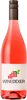
Winery AstrolabeRosé
 Pink wine


This wine generally goes well with pork, poultry or veal.

Food and wine pairings with Rosé
Pairings that work perfectly with Rosé



Original food and wine pairings with Rosé


The Rosé of Winery Astrolabe matches generally quite well with dishes of veal, pork or game (deer, venison) such as recipes of veal chop with rosemary, brazilian feijoada or valencian paella - family recipe.
Details and technical informations about Winery Astrolabe's Rosé.
Discover the grape variety: Pinot noir
Elegant reds, light in colour with silky tannins, showing strawberry, cherry and raspberry aromas, evolving to forest floor, mushroom and spice with age. Fresh acidity, delicate finish. Star of the Côte d'Or (Romanée-Conti, Chambertin, Volnay), pillar of Champagne (Blanc de Noirs) and signature of Oregon, Central Otago and Sonoma Coast. An early-ripening Burgundian variety, one of the world's greatest.
Last vintages of this wine

The best vintages of Rosé from Winery Astrolabe are 2018, 0
Informations about the Winery Astrolabe
The Winery Astrolabe is one of of the world's great estates. It offers 47 wines for sale in the of Marlborough to come and discover on site or to buy online.

The wine region of Marlborough
World reference for Sauvignon Blanc: aromatic, exuberant whites with signature notes of passion fruit, gooseberry, grapefruit and cut grass, sharp lively acidity and an iodised finish. King grape on 71% of the vineyard since 1972. Also fine, silky Pinot Noir (cherry, plum, spice), taut Chardonnay and lively Riesling. Traditional-method sparklers on the rise.
The wine region of South Island
New Zealand's southern island, cradle of the country's great wines. Sauvignon Blanc signature in Marlborough (~80% of national vineyard): explosive and tropical with grapefruit, passion fruit, boxwood, cut grass and mineral touch — global benchmark. Pinot Noir star in Central Otago (among the most southerly) and Waipara: airy with cherry, raspberry, undergrowth, thyme. Taut Riesling, precise Chardonnay, floral Pinot Gris.
The word of the wine: Merithalle
Botanical term for the interval between two nodes or between two leaf insertions on a branch (see internode).