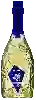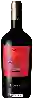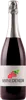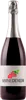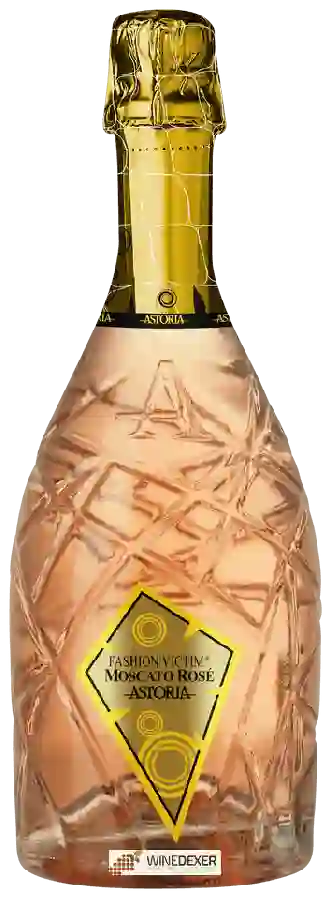
Winery AstoriaFashion Victim Moscato Rosé
 Sparkling wine



This wine generally goes well with sweet desserts

Wine flavors and olphactive analysis




On the nose the Fashion Victim Moscato Rosé of Winery Astoria in the region of Veneto often reveals types of flavors of earth, microbio or tree fruit and sometimes also flavors of citrus fruit, red fruit or tropical fruit.
Food and wine pairings with Fashion Victim Moscato Rosé
Pairings that work perfectly with Fashion Victim Moscato Rosé

Original food and wine pairings with Fashion Victim Moscato Rosé
The Fashion Victim Moscato Rosé of Winery Astoria matches generally quite well with dishes of sweet desserts such as recipes of very simple muffins.
Details and technical informations about Winery Astoria's Fashion Victim Moscato Rosé.
Discover the grape variety: Sárgamuskotály
Aromatic and muscat whites with a pale to amber golden colour, a full palate, featuring intense signature aromas of muscat, white flowers (orange blossom), yellow fruits (apricot, peach) and honeyed notes in sweet styles. Also made dry and off-dry. A component of Tokaji Aszú blends (legendary sweet wine), Tokaji Szamorodni and dry Tokaji (with Furmint and Hárslevelű). Hungarian synonym for Muscat Blanc à Petits Grains.
Last vintages of this wine
The best vintages of Fashion Victim Moscato Rosé from Winery Astoria are 2016, 0
Informations about the Winery Astoria
The Winery Astoria is one of of the world's greatest estates. It offers 87 wines for sale in the of Veneto to come and discover on site or to buy online.

The wine region of Veneto
World star of Prosecco: fresh, light Glera sparklers with notes of pear, green apple and white flowers, fruity, convivial bubbles. Veronese reds from Corvina and Rondinella: light, crisp Bardolino, fruity Valpolicella, opulent, concentrated Amarone DOCG (black cherry, chocolate, raisin) from dried grapes. Mineral, almondy Soave (Garganega) whites, fresh Pinot Grigio. 97,500 ha, Italy's largest production.
The word of the wine: Concentrate
Said of a wine that is rich in all its components (sugars in sweet wines, tannins in red wines, aromatic compounds) and that leaves an impression of density, intensity and depth.