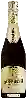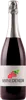
Artemovsk - ArtwineryCharte Komilfo Muscat Pink Semi-Sweet (Мускатне Рожеве Напівсолодке)
 Sparkling wine
This wine generally goes well with spicy food and sweet desserts.
Food and wine pairings with Charte Komilfo Muscat Pink Semi-Sweet (Мускатне Рожеве Напівсолодке)
Pairings that work perfectly with Charte Komilfo Muscat Pink Semi-Sweet (Мускатне Рожеве Напівсолодке)


Original food and wine pairings with Charte Komilfo Muscat Pink Semi-Sweet (Мускатне Рожеве Напівсолодке)
The Charte Komilfo Muscat Pink Semi-Sweet (Мускатне Рожеве Напівсолодке) of Artemovsk - Artwinery matches generally quite well with dishes of shellfish, appetizers and snacks or lean fish such as recipes of spanish paella, peach and tuna verrine or fillets of sole.
Details and technical informations about Artemovsk - Artwinery's Charte Komilfo Muscat Pink Semi-Sweet (Мускатне Рожеве Напівсолодке).
Discover the grape variety: Couston
Couston noir is a grape variety that originated in France (Languedoc). It produces a variety of grape specially used for wine making. It is rare to find this grape to eat on our tables. This variety of grape is characterized by small bunches, and small grapes. The Couston noir can be found cultivated in these vineyards: Provence & Corsica, Rhone Valley, South West.
Informations about the Artemovsk - Artwinery
The Artemovsk - Artwinery is one of wineries to follow in Crimea.. It offers 46 wines for sale in the of Crimea to come and discover on site or to buy online.

The wine region of Crimea
Turkey, located on the Anatolian peninsula between the Mediterranean and the Black Sea, produces more grapes than any other country in the world. However, only a very small proportion of these grapes are made into wine; as a predominantly Muslim nation, Turkey's per capita Alcohol consumption is very low. The lack of wine production in Turkey is highly ironic, as wine historians believe that viticulture and winemaking originated in this Part of the world. Archaeological projects in Turkey and neighboring countries in the Levant have uncovered evidence suggesting that primitive VineBreeding was part of life here more than 6,000 years ago, which explains the abundance of wine grapes (vinifera).
The word of the wine: Ladle
Said of a wine that is not clear due to the presence of colloidal suspensions that prevent the passage of light.