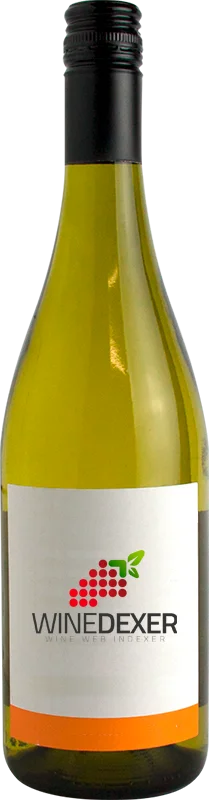
Winery ArtefactLa Dame Blanche Grenache Blanc
 White wine


This wine generally goes well with poultry, rich fish (salmon, tuna etc) or shellfish.
Wine flavors and olphactive analysis

Food and wine pairings with La Dame Blanche Grenache Blanc
Pairings that work perfectly with La Dame Blanche Grenache Blanc



Original food and wine pairings with La Dame Blanche Grenache Blanc
The La Dame Blanche Grenache Blanc of Winery Artefact matches generally quite well with dishes of rich fish (salmon, tuna etc), shellfish or poultry such as recipes of tahitian style raw fish, real swiss fondue or quick brioche sausage.
Details and technical informations about Winery Artefact's La Dame Blanche Grenache Blanc.
Discover the grape variety: Ugni blanc et rose
Italian origin most certainly, more precisely from Tuscany. It is registered in the Official Catalogue of wine grape varieties list A1. Published genetic analysis has revealed that it is related to the vermentino and for more details click here!
Last vintages of this wine
The best vintages of La Dame Blanche Grenache Blanc from Winery Artefact are 0
Informations about the Winery Artefact
The Winery Artefact is one of of the world's greatest estates. It offers 17 wines for sale in the of Santa Barbara County to come and discover on site or to buy online.

The wine region of Santa Barbara County
The wine region of Santa Barbara County is located in the region of Central Coast of California of United States. We currently count 443 estates and châteaux in the of Santa Barbara County, producing 1259 different wines in conventional, organic and biodynamic agriculture. The wines of Santa Barbara County go well with generally quite well with dishes .
The wine region of California
California is the largest and most important wine region in the United States. It represents the southern two-thirds (850 miles or 1,370 kilometers) of the country's west coast. (Oregon and Washington make up the rest. ) The state also spans nearly 10 degrees of latitude.
The word of the wine: Tries (harvest by)
Harvesting in several successive passages to harvest at their optimal concentration the grapes affected by noble rot. They allow the production of great sweet wines.